
Florida Motocross Guides
Deep, practical guides for the full riding day: choosing a bike and track, learning Florida sand, setting up suspension and gearing, maintaining the motorcycle, preparing for race day, bringing kids and handling Florida weather.
Getting Started
A practical way to choose a Florida track, understand practice flow, and avoid making your first motocross day harder than it needs to be.
Read guideTrack entry, passing, flags, staging and pit behavior explained before your first open-practice day.
Read guide
A practical first-bike guide that puts rider fit, controllability, maintenance and where you will actually ride ahead of bench-racing horsepower.
Read guide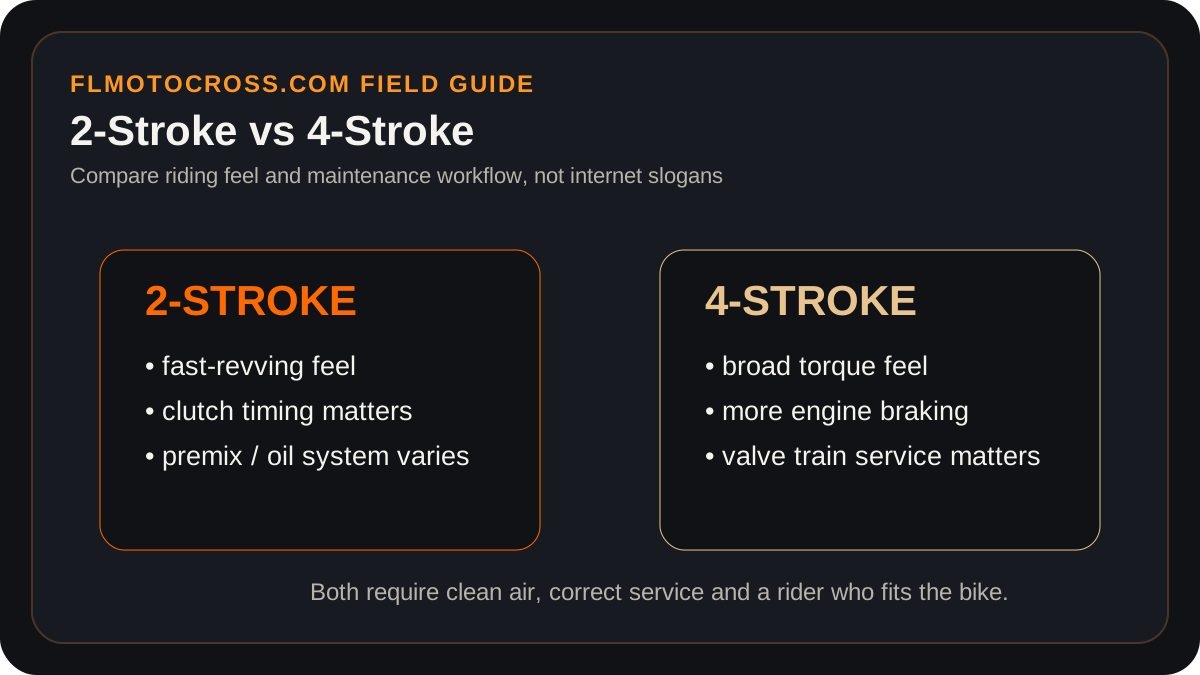
Compare power delivery, engine braking, maintenance workflow, fuel habits and riding feel without pretending one engine type is automatically better.
Read guide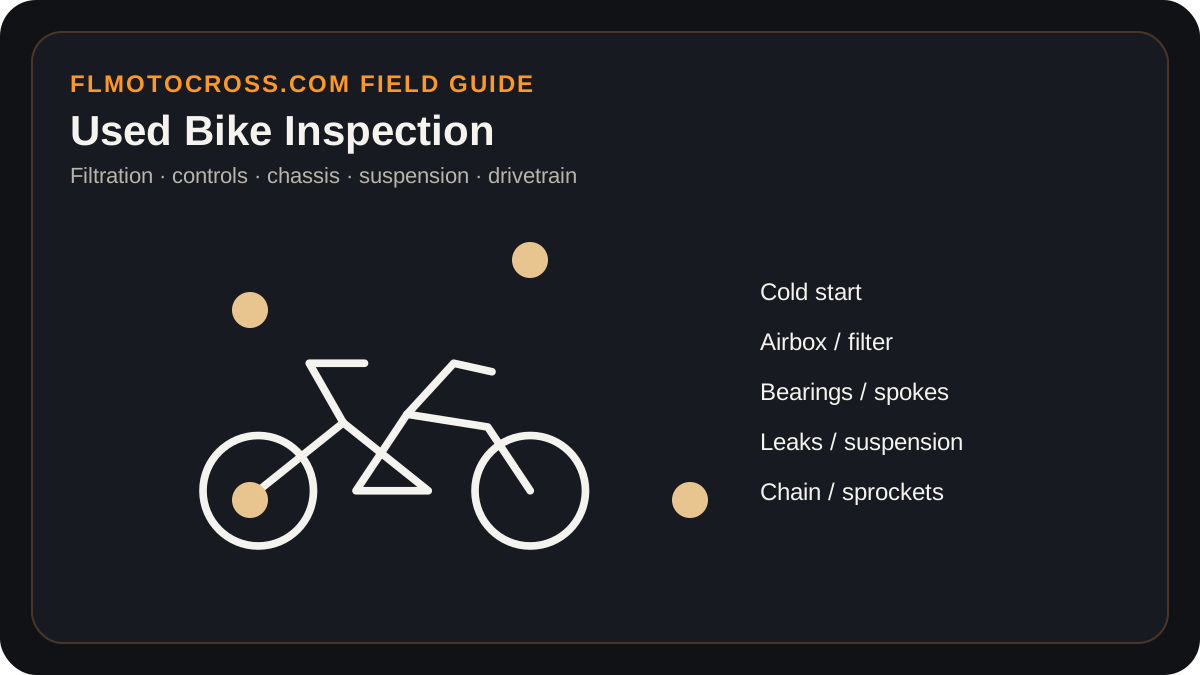
How to evaluate a used dirt bike systematically so cosmetic condition does not hide expensive engine, chassis or maintenance problems.
Read guideTurn open practice into focused sessions with one skill goal, predictable recovery and enough time to inspect the bike.
Read guideHow to be predictable in open practice, pass without turning practice into a race, and avoid dangerous last-second line changes.
Read guideA practical way to evaluate coaching, class size, safety process and whether a school matches the rider’s current skill rather than the coach’s social-media following.
Read guideRiding Technique
How to make a dirt bike calmer and more predictable in Florida sand without chasing random setup changes.
Read guide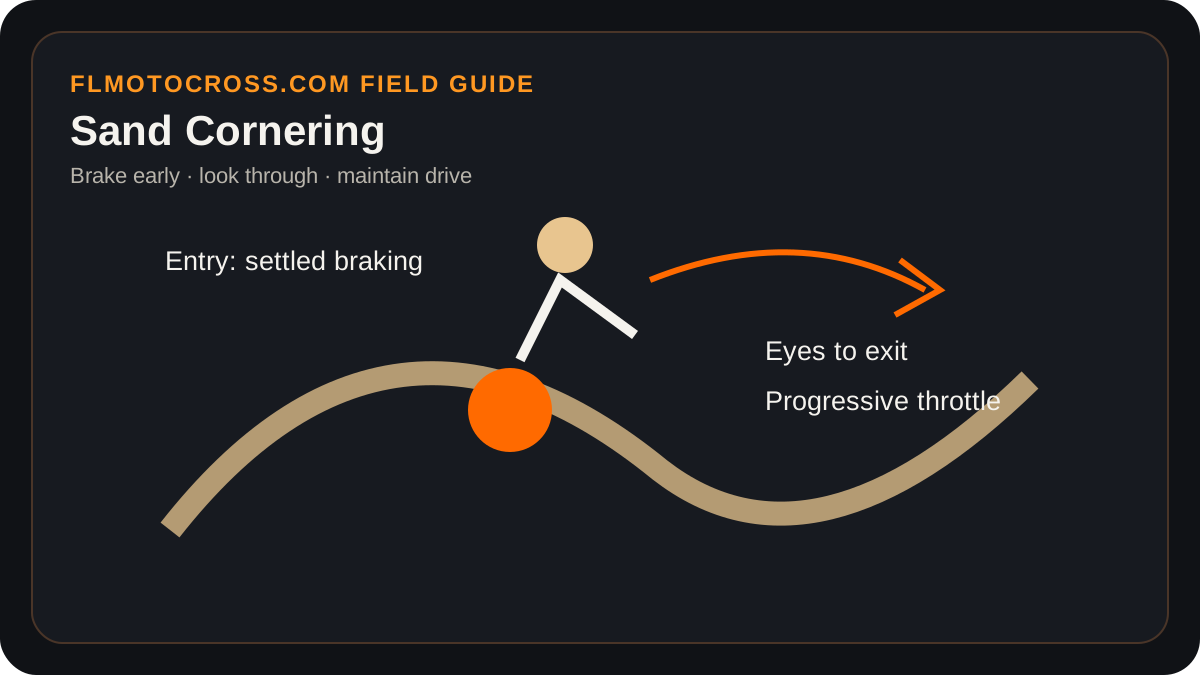
A technique-focused guide to entry speed, body position, throttle and line choice when deep sand makes the front end feel vague.
Read guide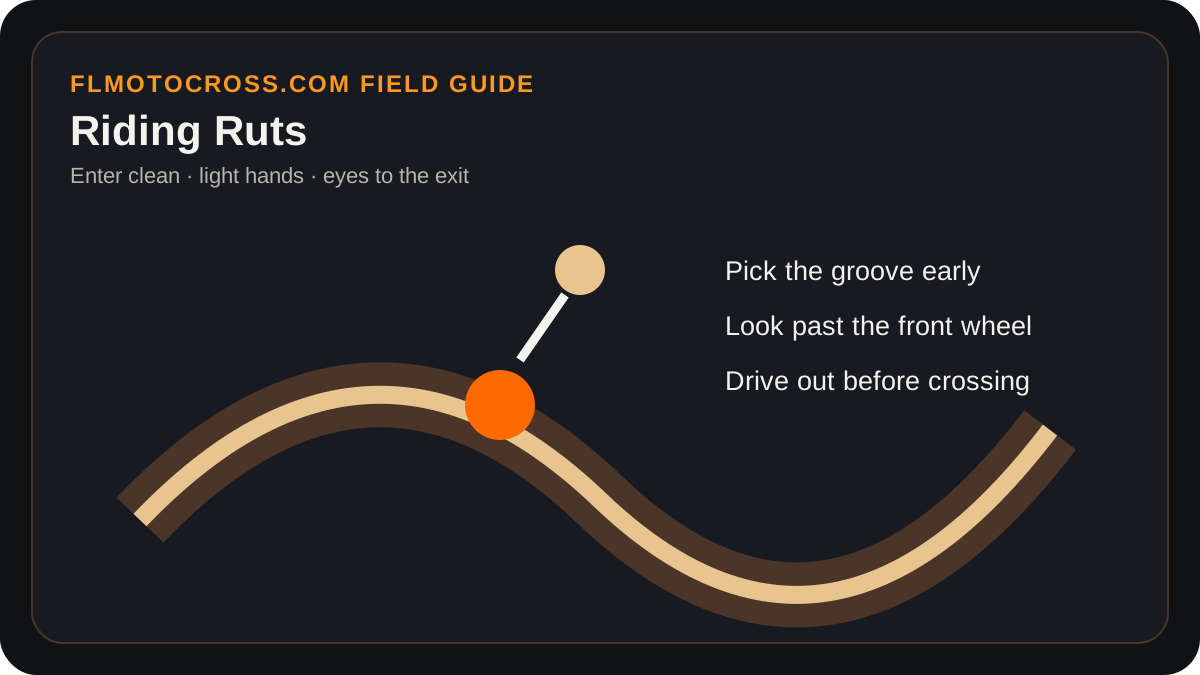
A repeatable approach to deep ruts that helps riders stop fighting the groove and start using it as a line.
Read guide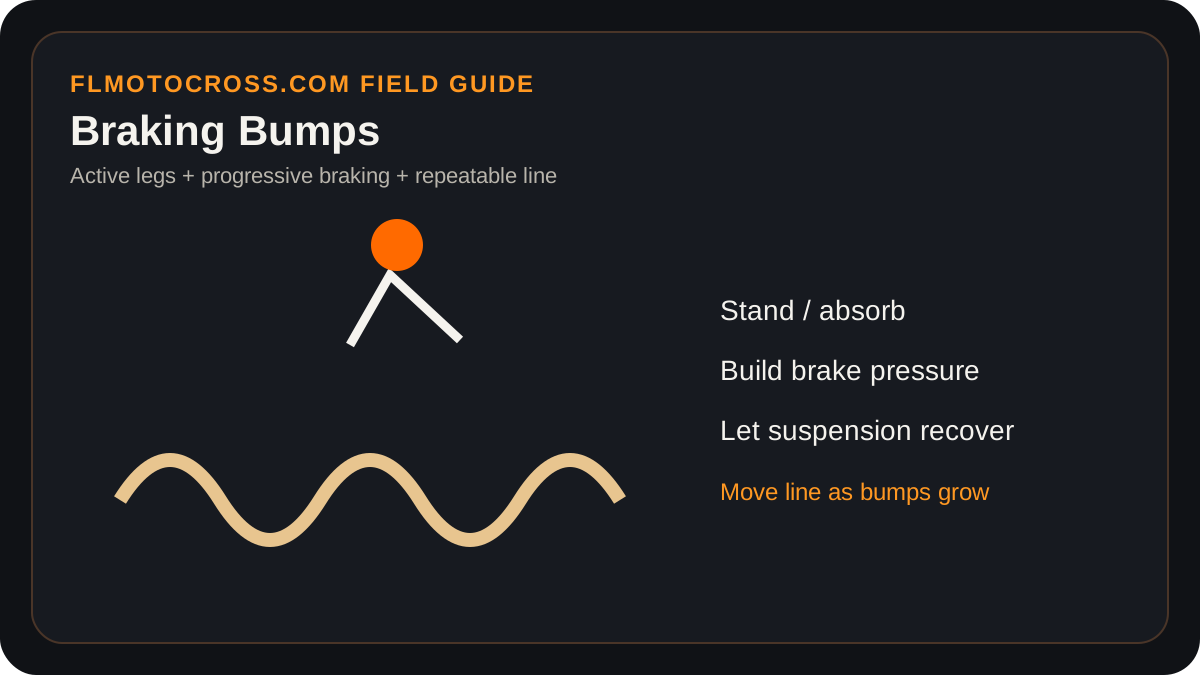
Technique and setup cues for repeated bumps entering corners, with emphasis on braking control and letting suspension recover.
Read guide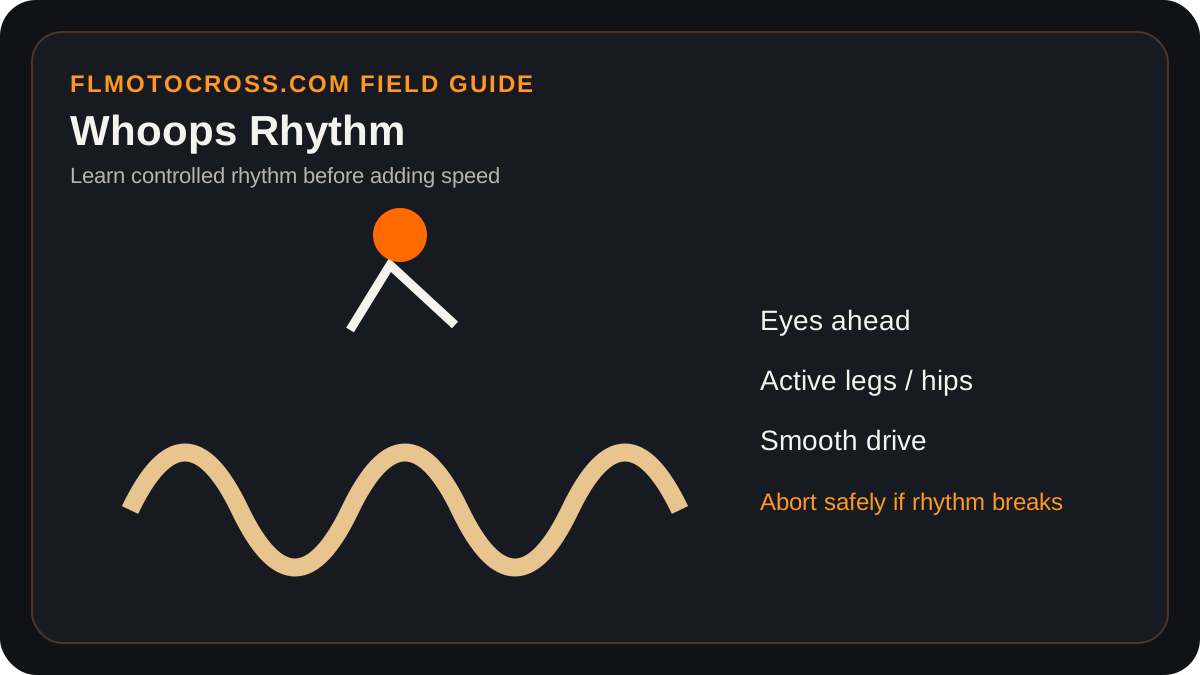
A conservative introduction to whoop sections that focuses on repeatable rhythm before speed.
Read guide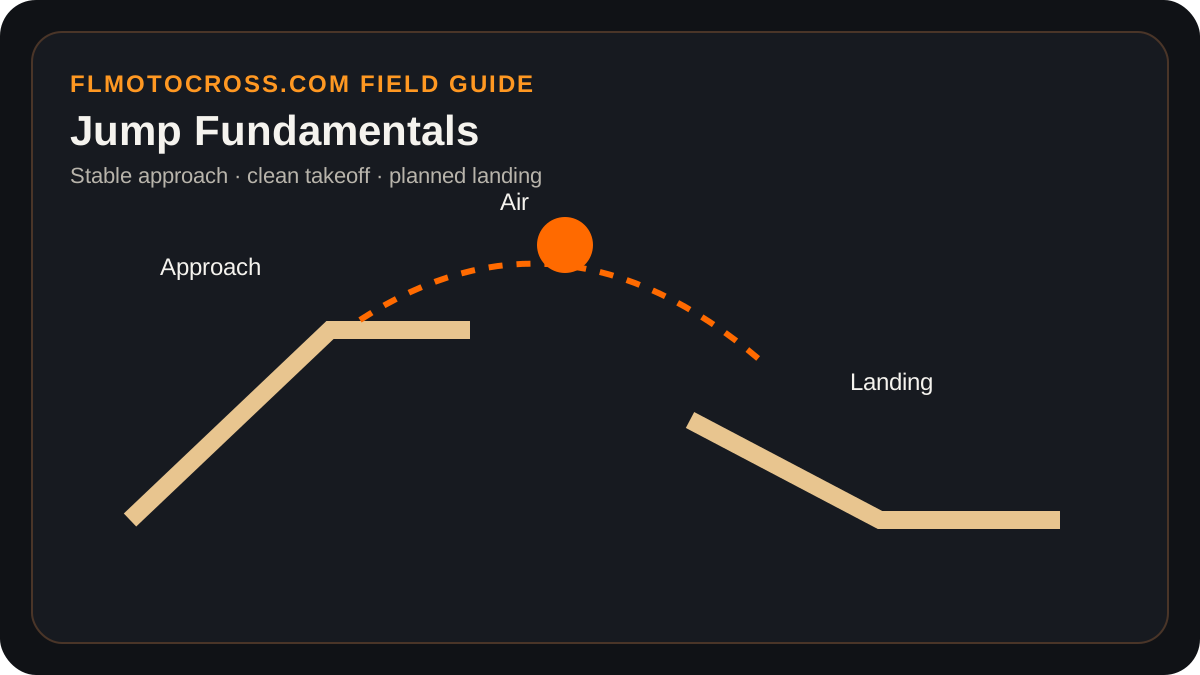
A conservative jumping framework for riders who already control the motorcycle on the ground and want to build repeatability without rushing progression.
Read guide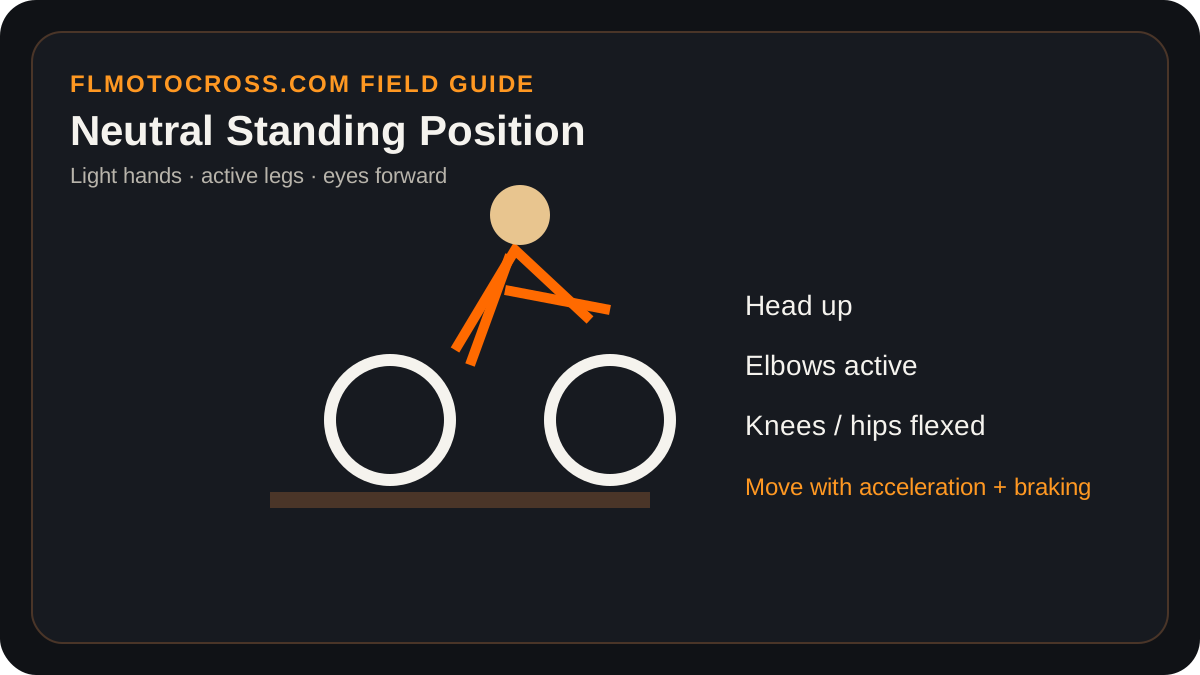
A foundational body-position guide for braking bumps, sand, ruts and rough straights.
Read guideA pre-session observation method for finding entry/exit points, developing ruts, rough sections and safer backup lines.
Read guideBike Setup
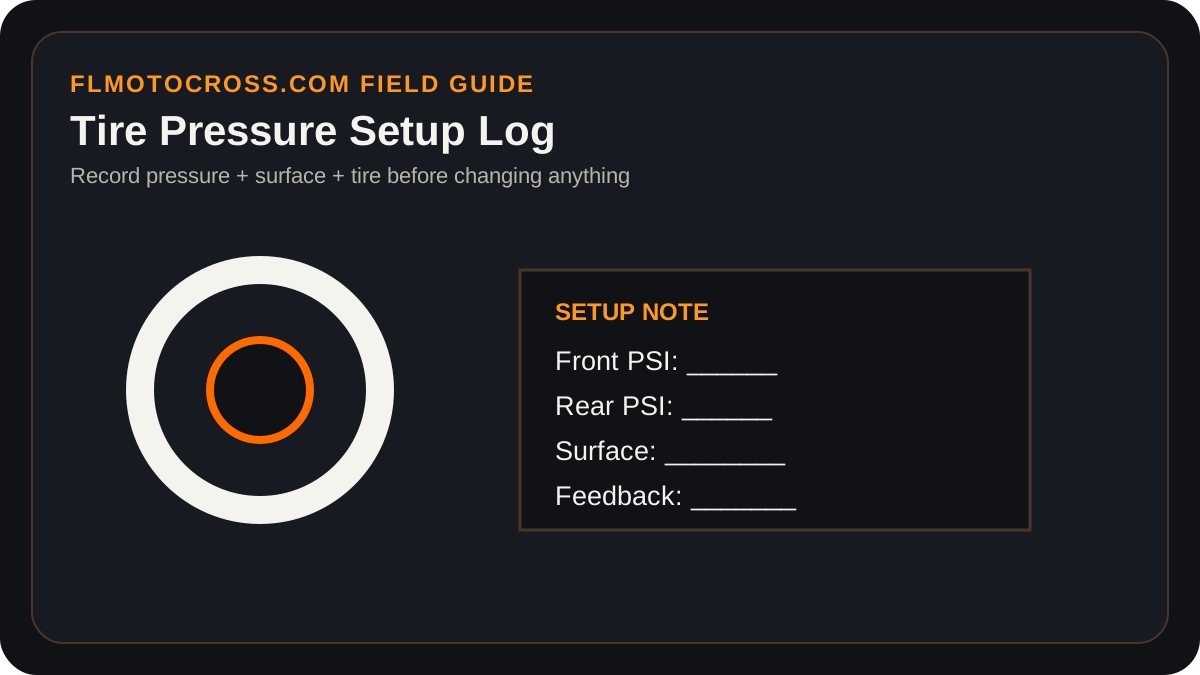
A process for testing pressure, sag and clicker changes without losing your baseline.
Read guide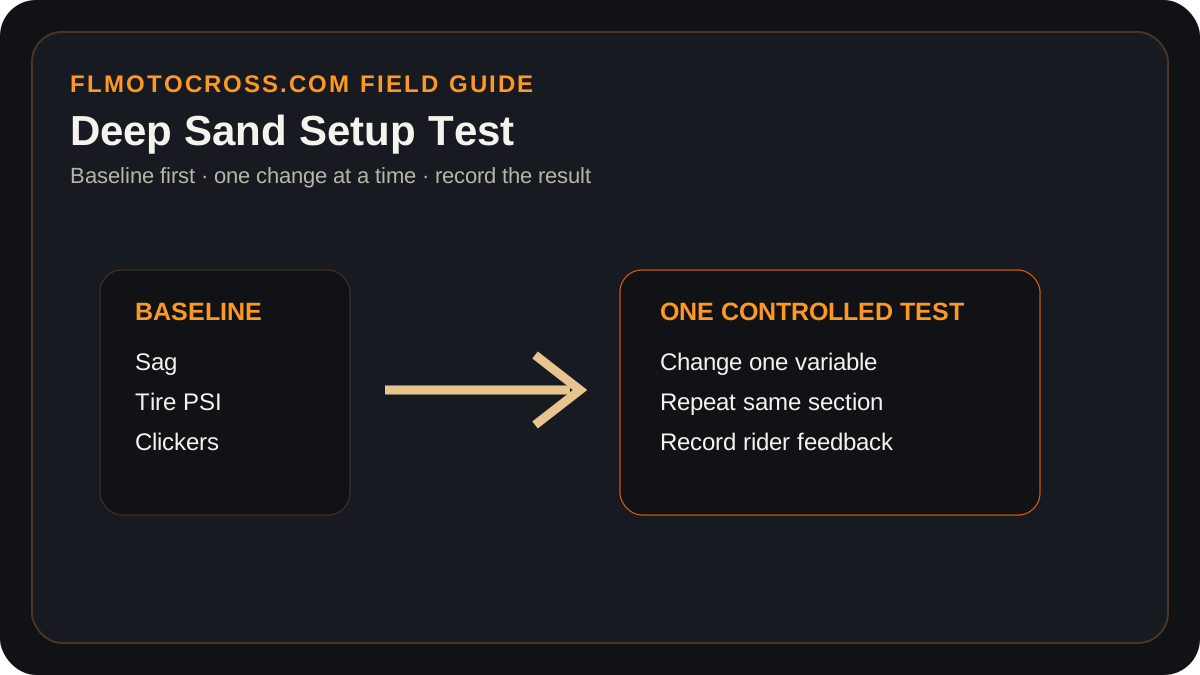
A controlled setup approach for Florida deep sand that emphasizes baseline, traction and rider feedback instead of random clicker changes.
Read guideHow to approach traction, tire pressure, braking stability and suspension feedback when a Florida surface becomes firm, polished or slick.
Read guide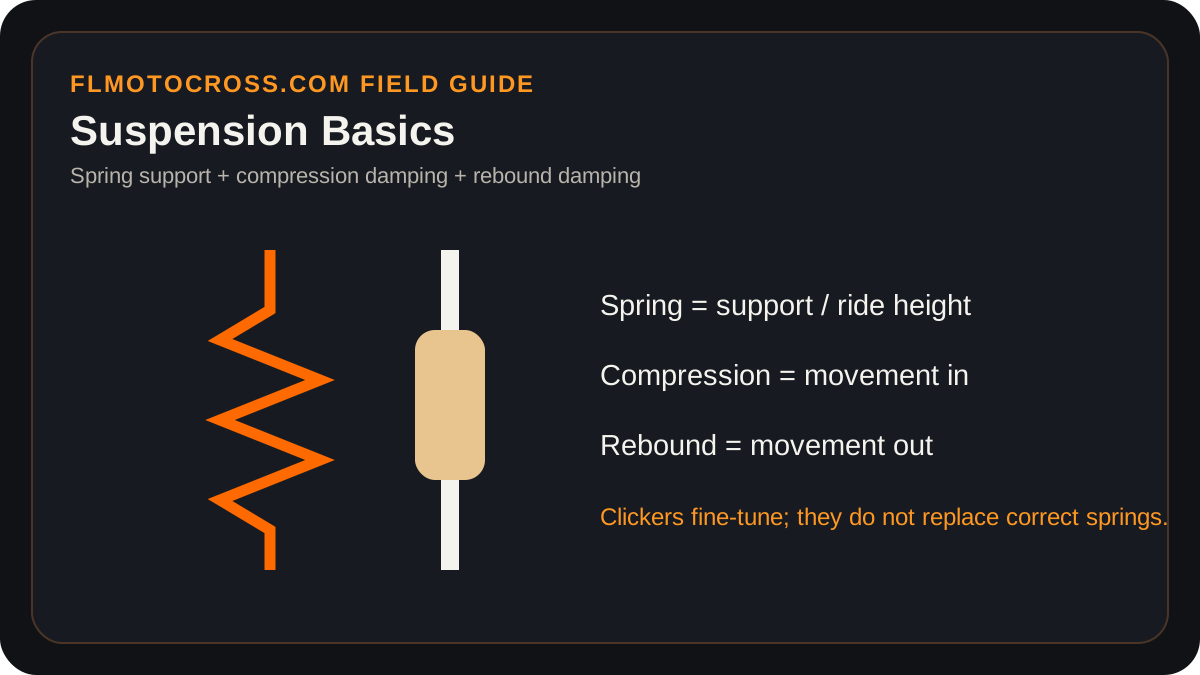
Understand the jobs of springs, sag and damping so setup changes answer a specific symptom instead of becoming random clicker movement.
Read guide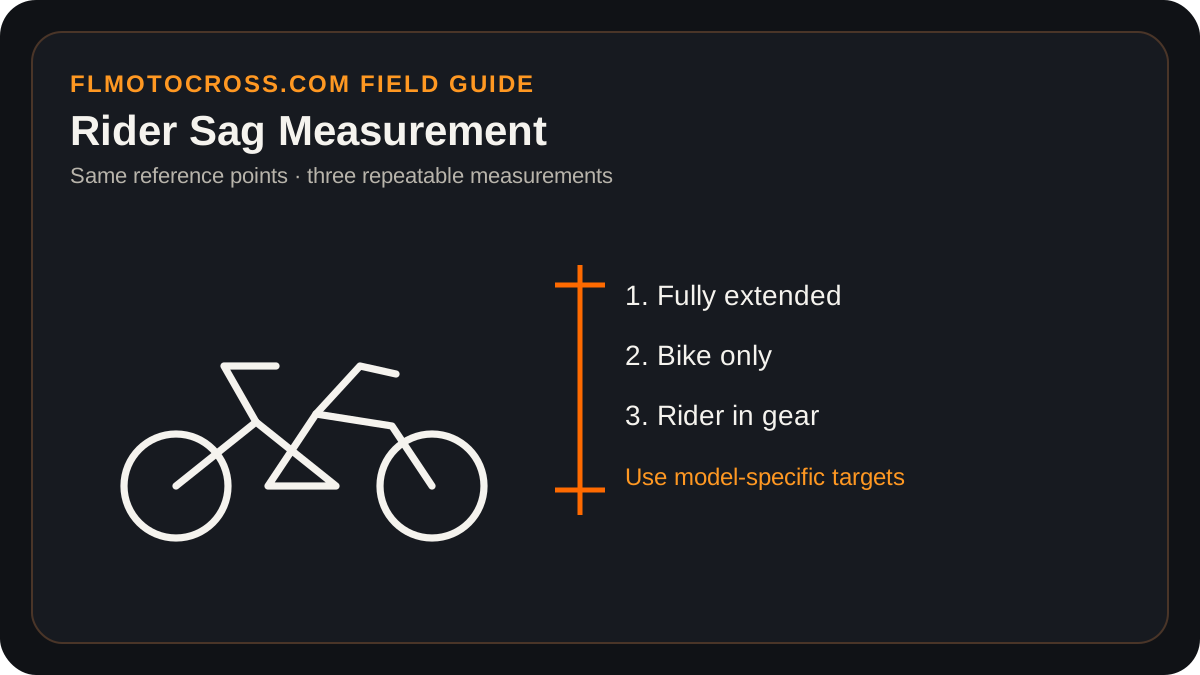
A step-by-step sag measurement process that emphasizes repeatable reference points and model-specific targets.
Read guideHow to make suspension adjustments that produce useful information instead of a notebook full of random settings.
Read guide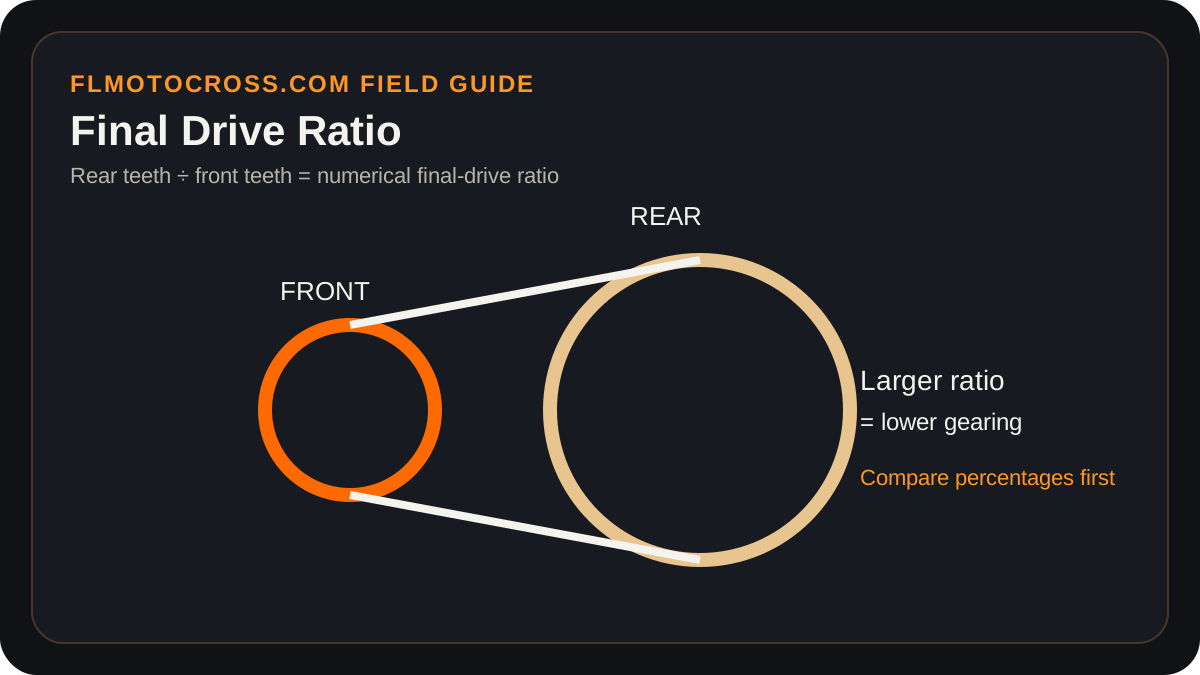
Use final-drive ratio, corner gear choice and shift frequency to decide whether a sprocket change actually helps in deep sand.
Read guideHow boot fit, pedal height and shifter position interact so protection does not come at the expense of control.
Read guideHow to match tire construction and tread intent to Florida sand, loam, hardpack and mixed conditions.
Read guideMaintenance
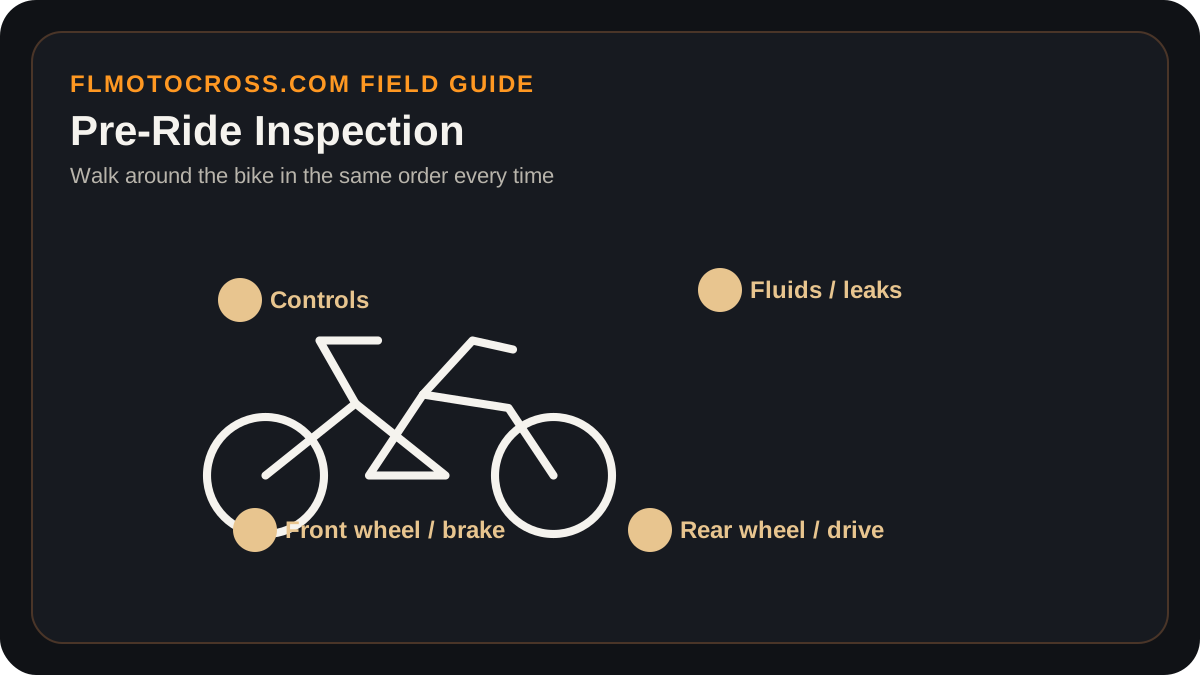
A repeatable garage and pit inspection that catches common mechanical problems before they become on-track problems.
Read guide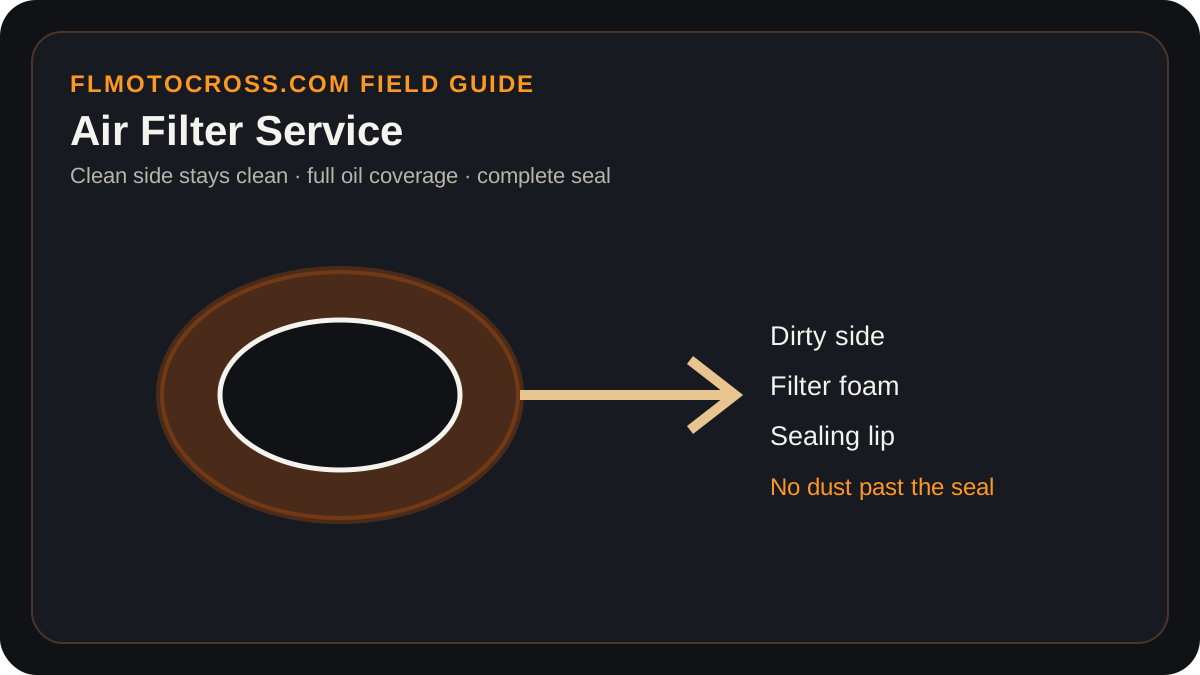
Why Florida riding makes air-filter preparation one of the highest-value maintenance habits, plus a clean workflow that avoids introducing dirt during service.
Read guide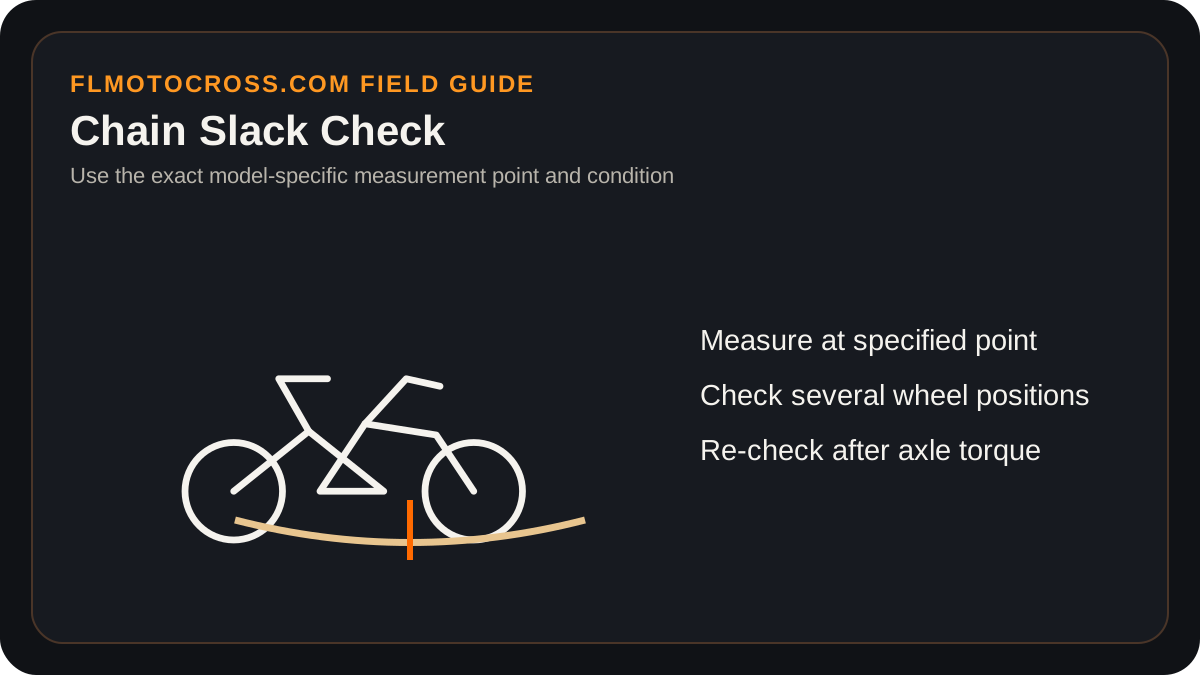
How to inspect chain slack, alignment and sprocket wear without using one generic slack number for every motorcycle.
Read guide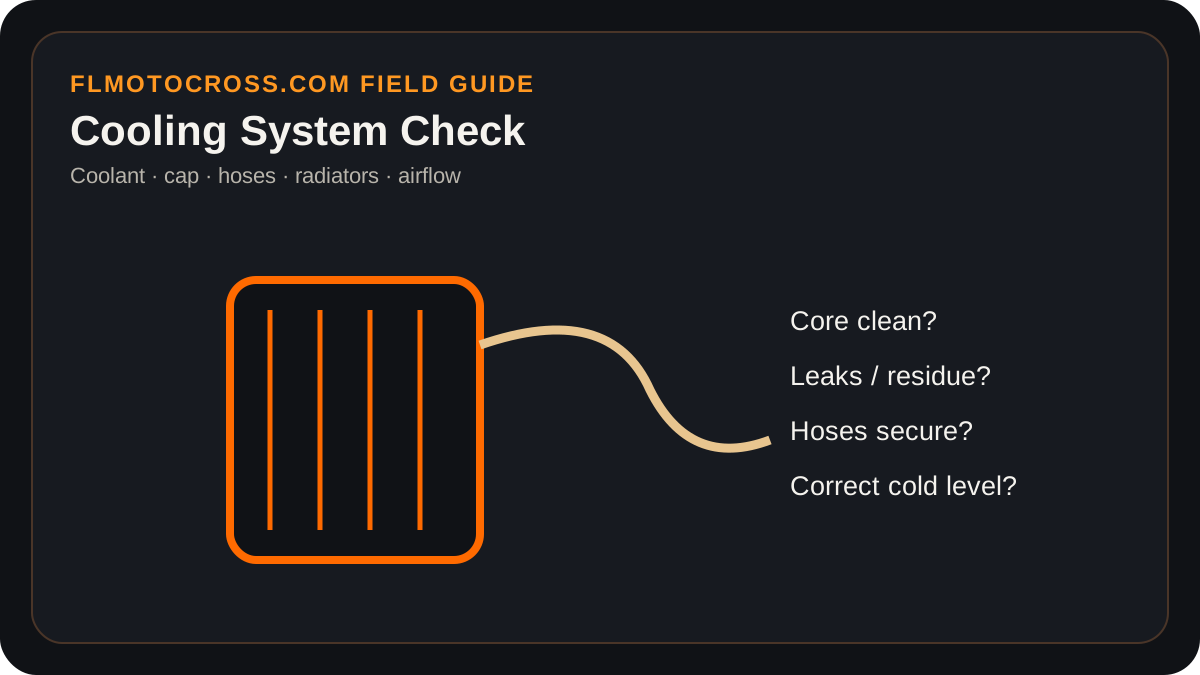
Radiator, coolant, cap, hose and airflow checks that matter when high ambient temperature and slow sections reduce cooling margin.
Read guide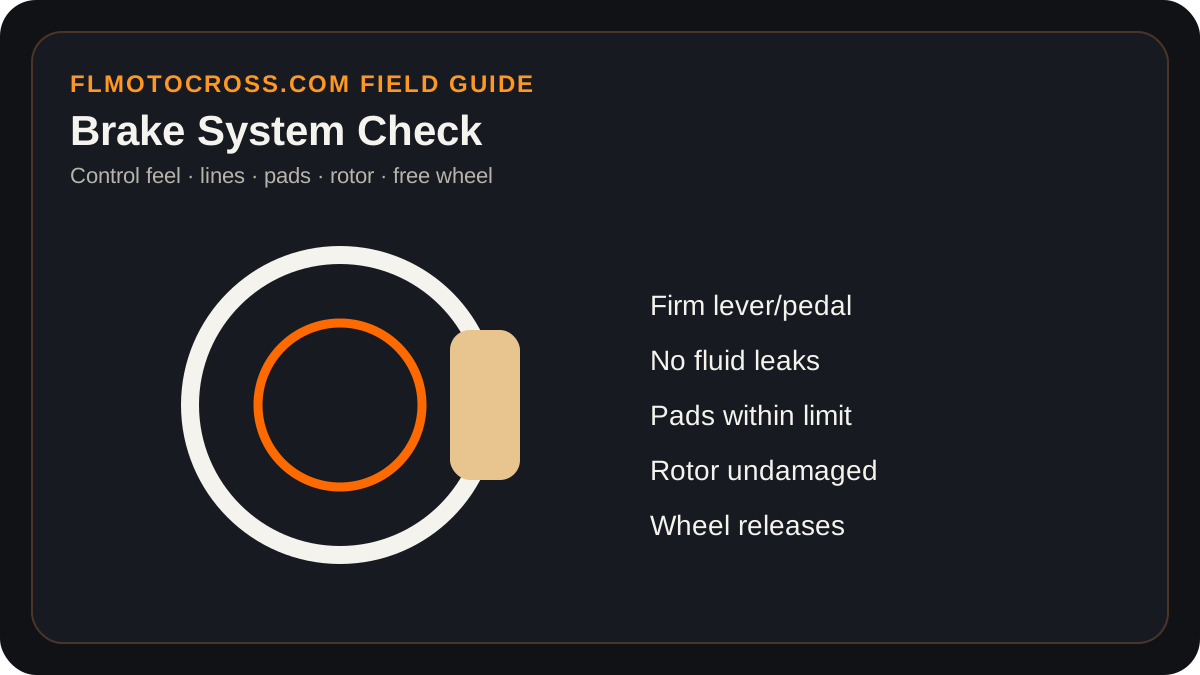
A repeatable brake check for track-day preparation, with emphasis on function and model-specific service limits rather than generic measurements.
Read guideHow to catch loose spokes, wheel play, rim damage and bearing problems before high-speed track use.
Read guideClean a motocross bike without forcing water and grit into bearings, seals, electrical connectors or the intake.
Read guideHow to track engine and chassis service by hours and conditions without inventing universal maintenance intervals.
Read guideHow to perform oil service around track use without inventing universal intervals or contaminating the engine during the work.
Read guideA high-level guide to why valve clearance matters, how trends are interpreted and why model-specific procedures are essential.
Read guideWhat a two-stroke top-end service involves at a high level and how to plan it without turning a generic article into a rebuild manual.
Read guideA practical clutch inspection guide for cable and hydraulic systems, plus symptoms that should not be solved by endless lever adjustment.
Read guideBattery state, terminals, starter behavior and charging checks for modern electric-start dirt bikes.
Read guideRace Day
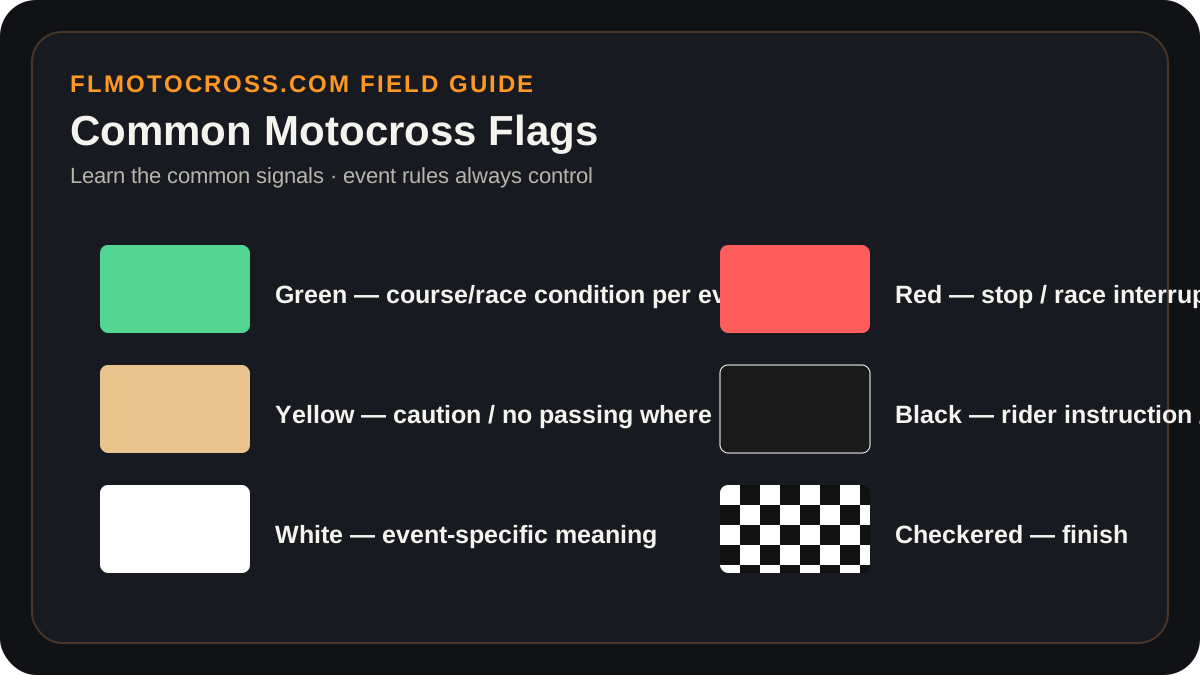
A plain-language introduction to common flag signals—with one rule above all: follow the facility’s riders’ meeting and staff instructions.
Read guideRegistration, tech, staging, starts, schedules and paddock pressure are different from ordinary practice.
Read guide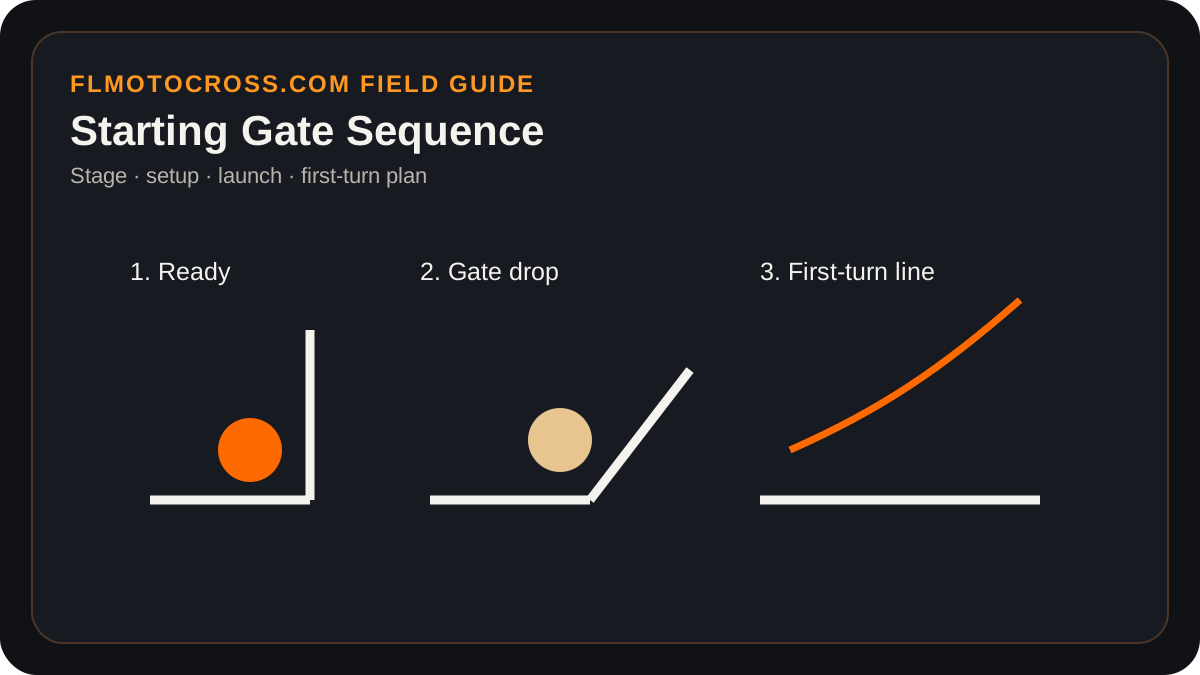
How to approach starts as a repeatable process instead of a single high-stress launch.
Read guideA first-race walkthrough that helps a practice rider understand the schedule, paperwork and race-day flow before arriving at the gate.
Read guideBuild a race-day schedule backward from staging calls so registration, practice, maintenance and recovery do not become emergencies.
Read guideHow to prepare lenses, spares and pit workflow so a simple vision problem does not end a moto.
Read guideTrack Day Planning
A complete truck-and-trailer checklist for practice days, with Florida heat and rain in mind.
Read guideRV hookups, primitive camping, gates, generators and race-weekend logistics vary widely—confirm them before a multi-day trip.
Read guideA prioritized pit-kit guide that separates day-saving spares from a trailer full of parts you never use.
Read guideA towing-day checklist for securing motorcycles, planning fuel stops, managing heat and avoiding preventable trailer problems.
Read guideFlorida Conditions
How to structure riding, shade and recovery when Florida heat and humidity are part of the track day.
Read guideWhy a Florida track can change from perfect to closed quickly—and what to check before hauling.
Read guide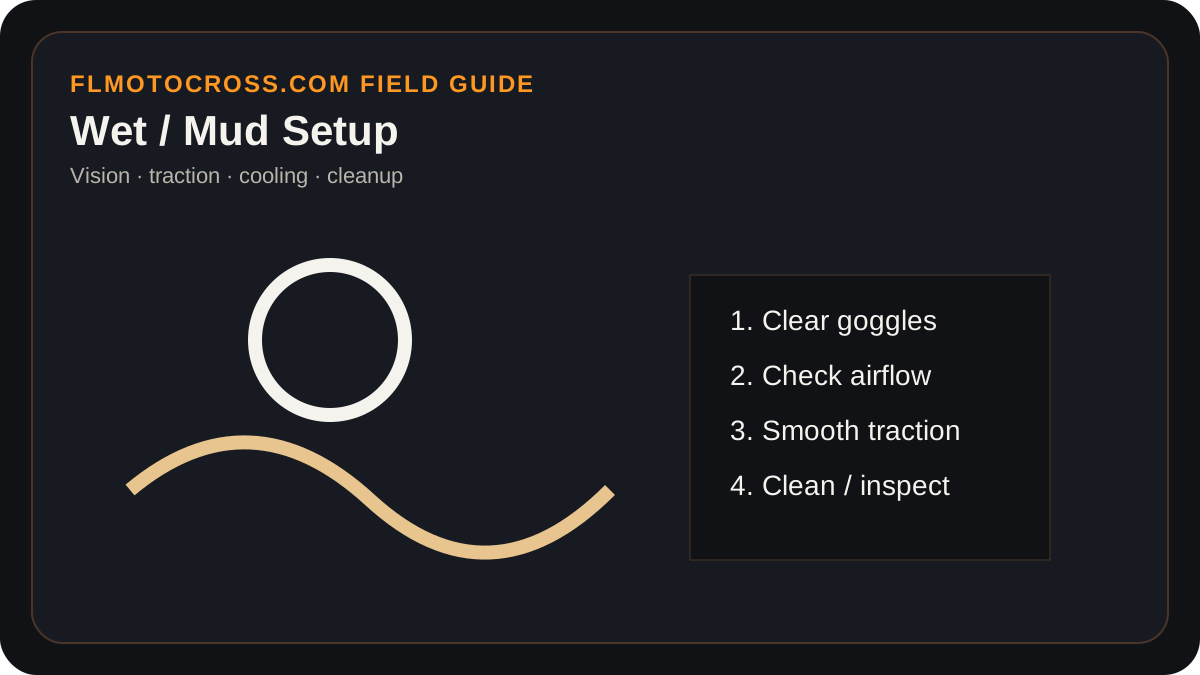
Bike preparation for wet motocross conditions, with focus on traction, controls, cooling, vision and preventing mud from creating mechanical problems.
Read guidePlanning for lighting, visibility, moisture, temperature and fatigue when a Florida facility runs evening or night practice.
Read guideHow to reduce avoidable dust problems when a Florida track dries out and traffic creates a fine airborne layer.
Read guideFamily & Youth
Choosing the right track, practice group and pace for a young rider’s first real motocross day.
Read guide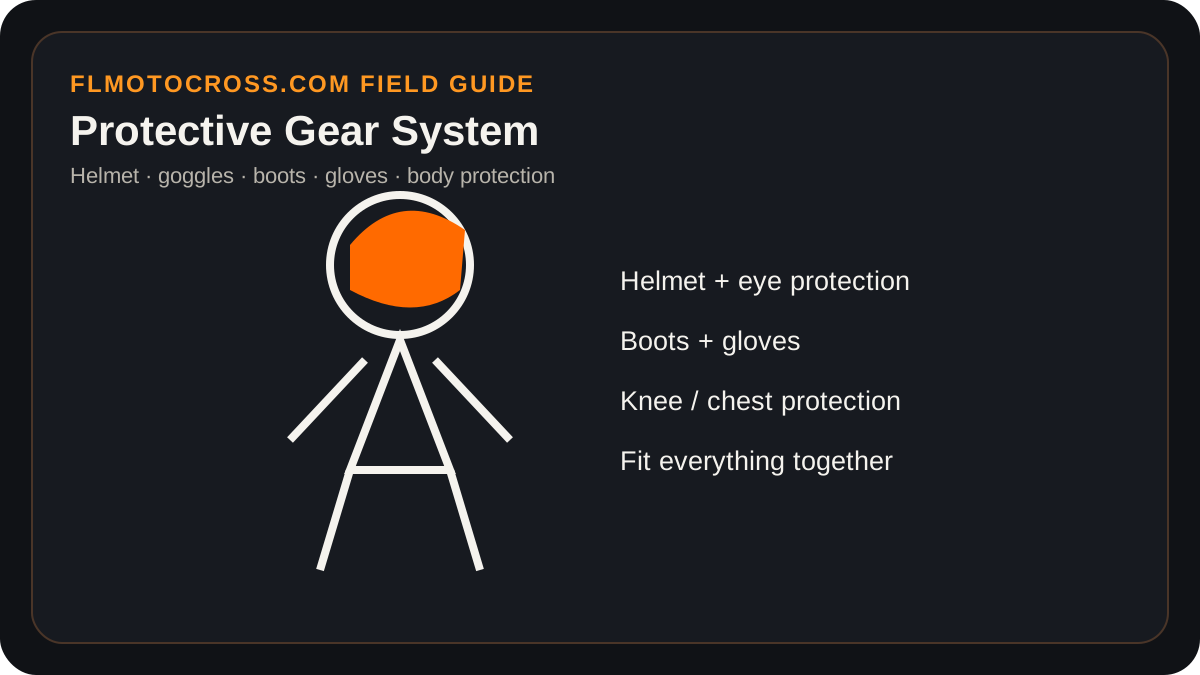
A practical overview of helmet, eye protection, boots, gloves, body protection and fit decisions for dirt-bike track use.
Read guideA practical system for parents or groups managing several bikes, gear sets, practice groups and Florida heat at the same facility.
Read guideA first-time spectator guide covering parking, heat, hearing protection, safe viewing areas and understanding race-day flow.
Read guideHow to evaluate helmet fit, manage goggles and sweat, store the helmet correctly and know when manufacturer guidance should replace pit opinions.
Read guideFlorida Tracks
How Florida’s geography changes drive time, track options and riding conditions.
Read guideUse practice format, track type, youth areas, training availability and travel distance to choose a useful riding day—not just the nearest pin on a map.
Read guide