
Choosing Your First Motocross Bike: Size, Power, Fit and Ownership Reality
A practical first-bike guide that puts rider fit, controllability, maintenance and where you will actually ride ahead of bench-racing horsepower.
Start with the rider, not the badge on the shroud
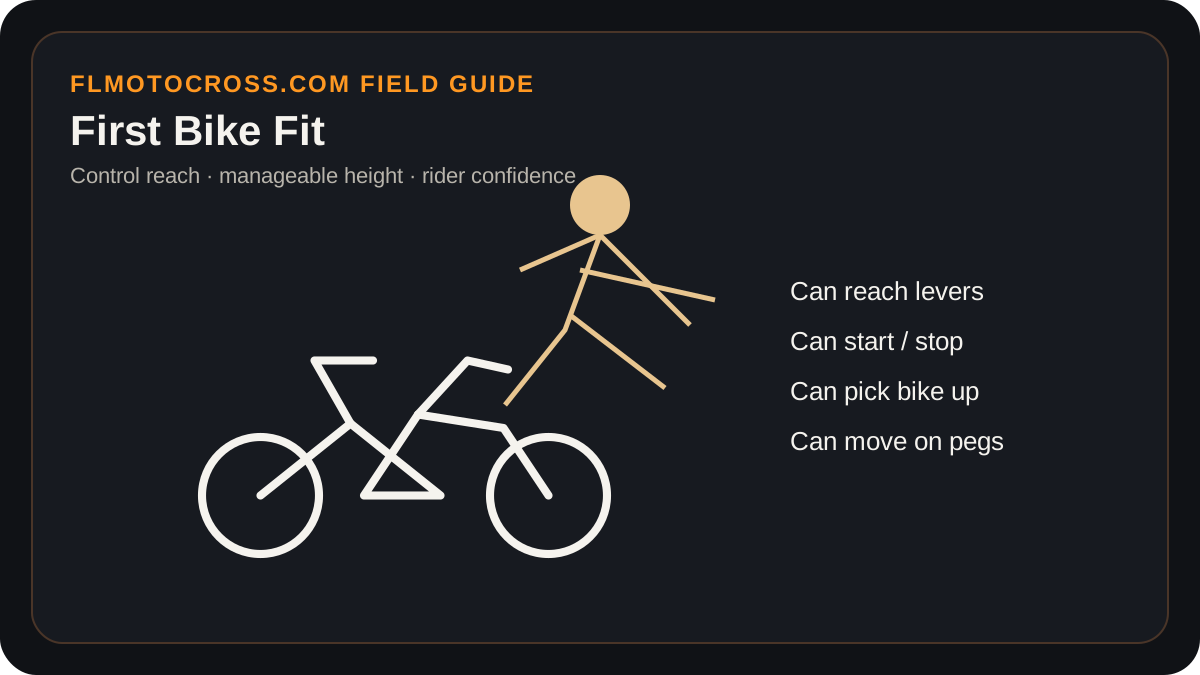
A first motocross bike should let the rider practice standing, braking, corner entry, clutch control and line choice without spending every lap managing excess height, weight or power. Seat height matters, but it is not the only fit measurement. Can the rider start and stop confidently? Can they reach the levers with one or two fingers while keeping a relaxed grip? Can they pick the bike up after a tip-over? Does the chassis feel manageable in slow staging areas as well as at speed? Those questions are more useful than choosing a displacement because friends ride it.
Youth sizing deserves extra care because body size, age-class rules and experience do not progress at exactly the same rate. If racing is part of the plan, check the current sanctioning body class rules before buying. If the goal is practice only, prioritize control and correct ergonomics. A motorcycle that is slightly less powerful but easy to ride usually creates more useful practice time than one that intimidates the rider or requires constant rescue in the pits.
Two-stroke and four-stroke ownership feel different
Two-strokes are mechanically simple in some areas and reward clean jetting or correct fuel-injection setup, fresh air filtration and attention to top-end condition. Four-strokes deliver broad torque and familiar engine braking, but valve-train condition, oil service and major engine repairs can be more involved. Neither layout is automatically “low maintenance.” The better question is whether you understand the service schedule for the specific motorcycle and can afford the parts and labor it may need after purchase.
Used-bike condition matters more than the internet reputation of a model. A well-maintained older bike with service records can be a better first purchase than a newer machine with neglected air filters, loose spokes, worn linkage bearings and unknown engine hours. Budget for immediate baseline service—fluids, filter, controls, tires or tubes if needed, chain/sprockets if worn, and any safety-critical repairs—rather than spending every dollar on the purchase price.
Match the bike to the tracks you will actually ride
Florida riding can mean deep sand, groomed loam, hard-packed clay, tight youth tracks or full-size race layouts. A rider who will spend most weekends learning in deep sand may value stable chassis behavior and manageable torque delivery. A small rider using a peewee track needs something very different from an adult entering organized 450 practice. Look through the FLMotocross track directory and identify two or three realistic home tracks before shopping; that turns the purchase into a use-case decision instead of a catalog comparison.
Also consider the support ecosystem. Are common wear parts available locally? Is there a shop that knows the suspension and engine? Can you source levers, plastics, air filters, sprockets and wheel parts quickly? A bike that is easy to keep ready can produce more seat time than an exotic bargain that waits weeks for simple parts.
A pre-purchase fit and control check
With the motorcycle safely supported and the engine off, verify the rider can operate the clutch, front brake, throttle and rear brake without awkward hand or foot positions. Check bar position, lever reach, shifter height and brake-pedal height. A control that is technically reachable but forces the wrist or ankle into an extreme angle becomes a bigger problem once the rider is standing and tired.
Do not lower or modify a motorcycle blindly just to put both feet flat. Suspension geometry, ground clearance and balance can change. If chassis-height changes are needed, use model-appropriate methods and understand the tradeoff. For many riders, learning a one-foot stop and correct body movement is better than compromising suspension travel solely to achieve flat-footed stops.
Budget for the complete first season
The motorcycle is only part of the cost. Protective gear, track fees, fuel, oil, filters, tires, tubes, travel, basic tools, spare levers, chain care and periodic suspension or engine service all belong in the ownership budget. A less expensive bike that leaves room for gear and maintenance is usually a smarter first-season plan than a premium bike that leaves no money to ride.
Before buying, make a one-page budget with purchase price, immediate repairs, protective gear, monthly practice frequency and a maintenance reserve. If the budget only works when nothing breaks, it is too tight for motocross. The goal is repeatable riding days, not simply getting a motorcycle into the garage.
Primary references
Track-specific rules always win
Use this guide as preparation, then follow the riders’ meeting, posted rules and staff instructions at the facility you visit. Conditions and operating procedures vary by track and event.
Related rider guides
A practical way to choose a Florida track, understand practice flow, and avoid making your first motocross day harder than it needs to be.
Track entry, passing, flags, staging and pit behavior explained before your first open-practice day.
Compare power delivery, engine braking, maintenance workflow, fuel habits and riding feel without pretending one engine type is automatically better.
How to evaluate a used dirt bike systematically so cosmetic condition does not hide expensive engine, chassis or maintenance problems.