
Used Motocross Bike Inspection: A Pre-Purchase Checklist That Goes Beyond Plastics
How to evaluate a used dirt bike systematically so cosmetic condition does not hide expensive engine, chassis or maintenance problems.
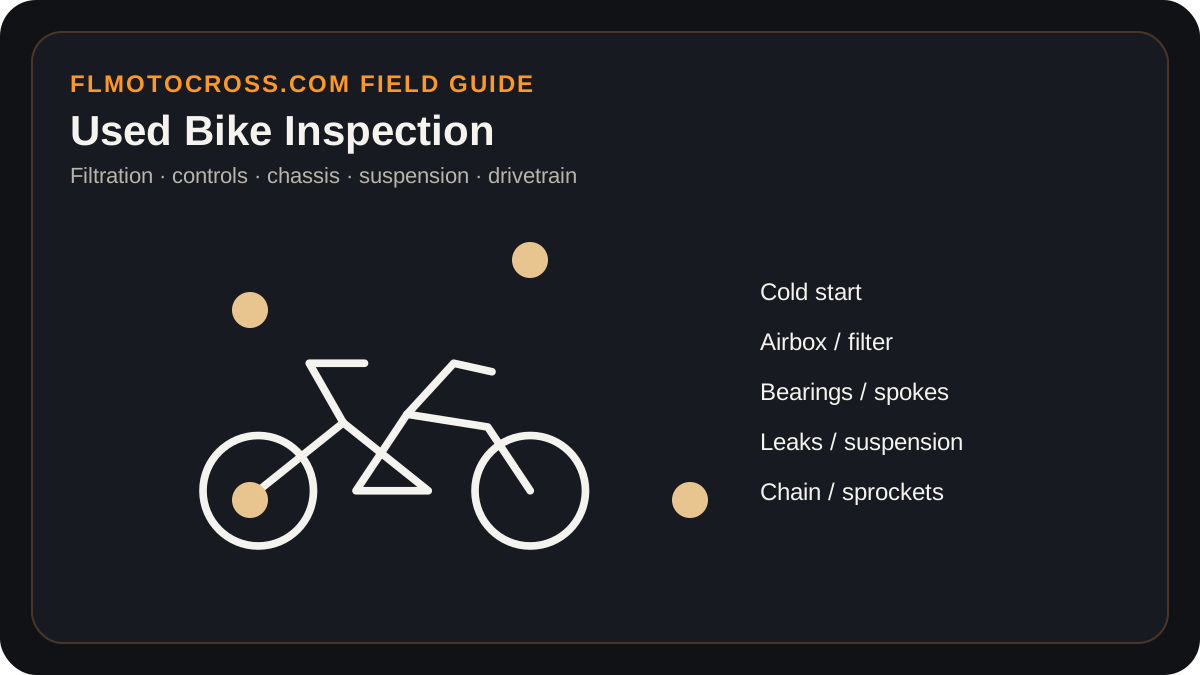
Start before the engine is warmed up
Ask the seller not to pre-warm the bike. A cold start can reveal hard starting, weak battery or starter performance on electric-start models, abnormal mechanical noise, excessive smoke, fuel leaks or a need for unusual throttle technique. None of those observations proves a specific failure, but they tell you what deserves further inspection. Confirm the engine is actually cold by touching an appropriate external component carefully before starting.
Listen to the seller’s explanation of maintenance before asking detailed questions. Useful records include engine hours, oil/filter intervals, valve checks where applicable, top-end or bottom-end work, suspension service, linkage bearings, wheel bearings and recent chain/sprocket replacement. “Fresh rebuild” is not a complete answer; ask who performed it, what parts were replaced and whether receipts or measurements exist.
Airbox condition tells a story
Remove the seat and inspect the air filter and airbox if the seller allows it. A dry, dirty, poorly seated or deteriorated filter is a warning because motocross engines ingest enormous airflow in dusty environments. Look downstream of the filter sealing surface for dust trails. A spotless exterior combined with a neglected filter is more concerning than scratched plastics on a bike that shows disciplined maintenance.
Check the filter cage, sealing lip and airbox drain areas. Florida sand can work into seams and fastener areas, so look for evidence that the owner cleans carefully rather than pressure-washing dirt deeper into bearings and connectors. One inspection cannot prove long-term engine health, but filtration habits are a useful ownership signal.
Inspect chassis wear systematically
Put the motorcycle on a stand. Check wheels for play, rotate them and listen/feel for rough bearings, inspect spokes for obviously loose groups, and examine rims for flat spots or cracks. Check steering-head play by loading the front end appropriately, then inspect swingarm and linkage movement for looseness. Look at fork tubes for damage in the seal travel area and shock/fork surfaces for oil leakage.
Inspect frame rails, engine cases, footpeg mounts, subframe, radiator mounts and handlebars for crash damage or poor repair. Fresh paint can hide wear, so compare both sides and look at bolt heads, welds and alignment. A race bike is expected to have cosmetic marks; the goal is to separate normal use from structural damage and neglected service.
Drivetrain and controls can add hundreds quickly
Inspect chain and sprockets together. Hooked teeth, tight spots, excessive adjustment position or a chain that can be pulled far away from the rear sprocket can indicate a worn set. Check clutch feel, throttle return, brake-lever/pedal feel, cable or hydraulic condition and the security of grips and controls. Verify both brakes operate smoothly and that rotors do not show obvious damage.
Tires are consumables, but worn tires plus worn sprockets, leaking fork seals and loose bearings can turn a “deal” into an immediate parts order. Price the entire baseline service before negotiating. It is often better to pay more for a documented bike than to buy a cheap one requiring ten deferred maintenance items.
Test ride only in a safe, permitted setting
If a test ride is allowed, use a safe area and focus on function rather than speed. Check clutch engagement, transmission shifts, brake action, throttle response and whether the chassis tracks normally. Do not diagnose internal engine health from one lap. Compression/leak-down testing, valve-clearance inspection or oil/filter inspection may be justified on a high-value purchase, but only with the seller’s permission and model-appropriate procedures.
When in doubt, pay a competent motorcycle shop or experienced technician to perform a pre-purchase inspection. The inspection cost is small compared with a crankshaft, cylinder head, damaged frame or neglected suspension discovered after the sale.
Primary references
Track-specific rules always win
Use this guide as preparation, then follow the riders’ meeting, posted rules and staff instructions at the facility you visit. Conditions and operating procedures vary by track and event.
Related rider guides
A practical way to choose a Florida track, understand practice flow, and avoid making your first motocross day harder than it needs to be.
Track entry, passing, flags, staging and pit behavior explained before your first open-practice day.
A practical first-bike guide that puts rider fit, controllability, maintenance and where you will actually ride ahead of bench-racing horsepower.
Compare power delivery, engine braking, maintenance workflow, fuel habits and riding feel without pretending one engine type is automatically better.