
Motocross Flag Guide for Practice and Race Days
A plain-language introduction to common flag signals—with one rule above all: follow the facility’s riders’ meeting and staff instructions.
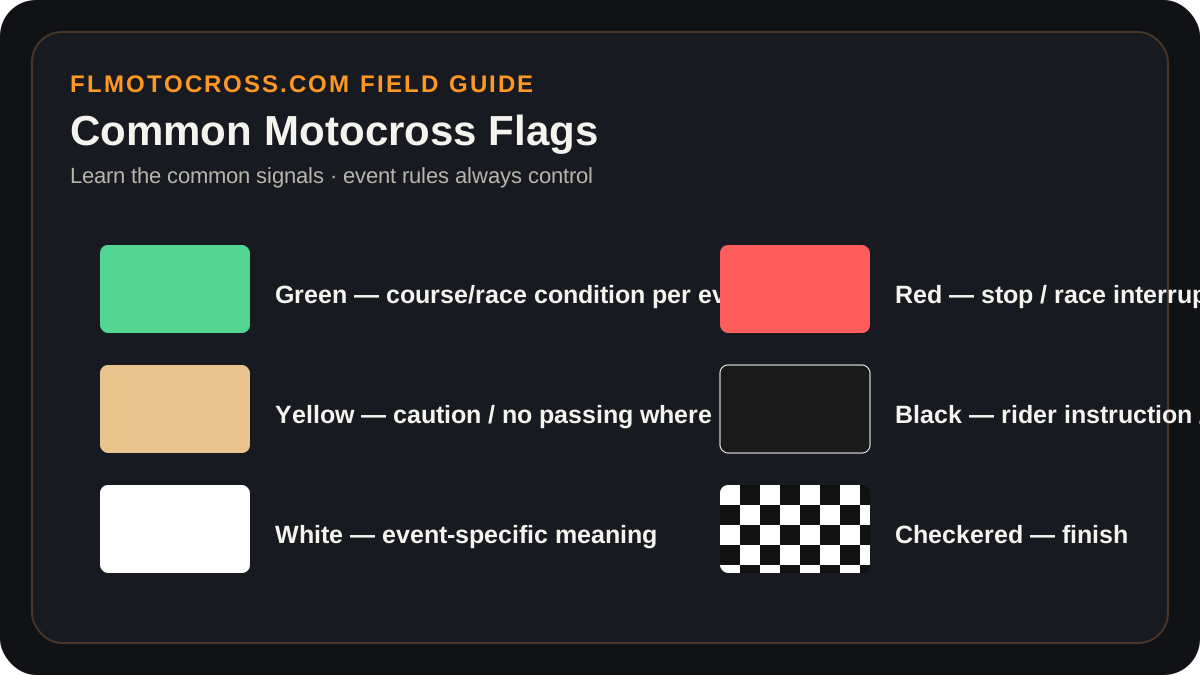
Track rules control
Flag usage can differ by sanctioning body, promoter and practice format. This guide is not a substitute for the riders’ meeting or current event rulebook. If staff explain a signal differently, their instruction is the one you follow.
Yellow/caution situations
A caution signal means there is a hazard or downed rider ahead. Reduce risk, maintain control and follow the track’s passing/jumping restrictions for the caution zone. Do not use a caution area as an opportunity to gain positions during practice.
Red/stop situations
A red flag or explicit stop signal means the session is being stopped. Slow under control and follow the facility’s direction for exiting or returning to staging. Do not continue circulating at speed because you did not personally see the incident.
Checkered and session-end signals
The checkered flag normally ends a race or session. Finish the lap/exit as directed and do not immediately stop on the racing line. Practice facilities may use other boards or hand signals for the final lap.
Why the riders’ meeting matters
Tracks may use flaggers, flashing lights, boards, medical flags or special procedures near jumps. Five minutes listening before practice can prevent a dangerous misunderstanding later.
Flags are instructions, not decoration
Flag meanings and passing/jumping restrictions can differ by sanctioning body, series and facility. Learn the rules used at the event you are attending and listen to the riders' meeting. A track-day guide should never override the official standing beside the course.
The AMA's racing resources specifically tell riders to review the current rulebook and supplemental regulations. That is important because even familiar colors can carry discipline-specific restrictions. If you are unsure what a local flag means, ask before entering the track.
Common signals you should recognize
A yellow flag generally communicates a hazard and the need for caution, while a red flag stops the session or race. A checkered flag marks the end of the session/race. A white flag can have event-specific meaning, and medical/safety flags can impose major restrictions around an incident. Treat every displayed flag as an instruction to look ahead and control speed.
Do not copy professional-TV behavior into local amateur practice. The applicable rule may prohibit passing, require jumps to be rolled, require riders to maintain position, or direct everyone off the course. The official rule set and riders' meeting determine the response.
What to do when you see an incident
Look through the incident, reduce risk early and avoid target-fixating on the fallen rider. Do not stop on the racing line to help unless officials direct you; additional stopped motorcycles can create a second hazard. Follow flaggers and exit the course if instructed.
After a red-flagged or interrupted session, do not re-enter until the facility reopens the track. Officials may be moving injured riders, equipment or vehicles even after the visible problem appears resolved.
Primary references
Track-specific rules always win
Use this guide as preparation, then follow the riders’ meeting, posted rules and staff instructions at the facility you visit. Conditions and operating procedures vary by track and event.
Related rider guides
Registration, tech, staging, starts, schedules and paddock pressure are different from ordinary practice.
How to approach starts as a repeatable process instead of a single high-stress launch.
A first-race walkthrough that helps a practice rider understand the schedule, paperwork and race-day flow before arriving at the gate.
Build a race-day schedule backward from staging calls so registration, practice, maintenance and recovery do not become emergencies.