
Dirt Bike Cooling-System Checks for Florida Heat and Slow Practice Sessions
Radiator, coolant, cap, hose and airflow checks that matter when high ambient temperature and slow sections reduce cooling margin.
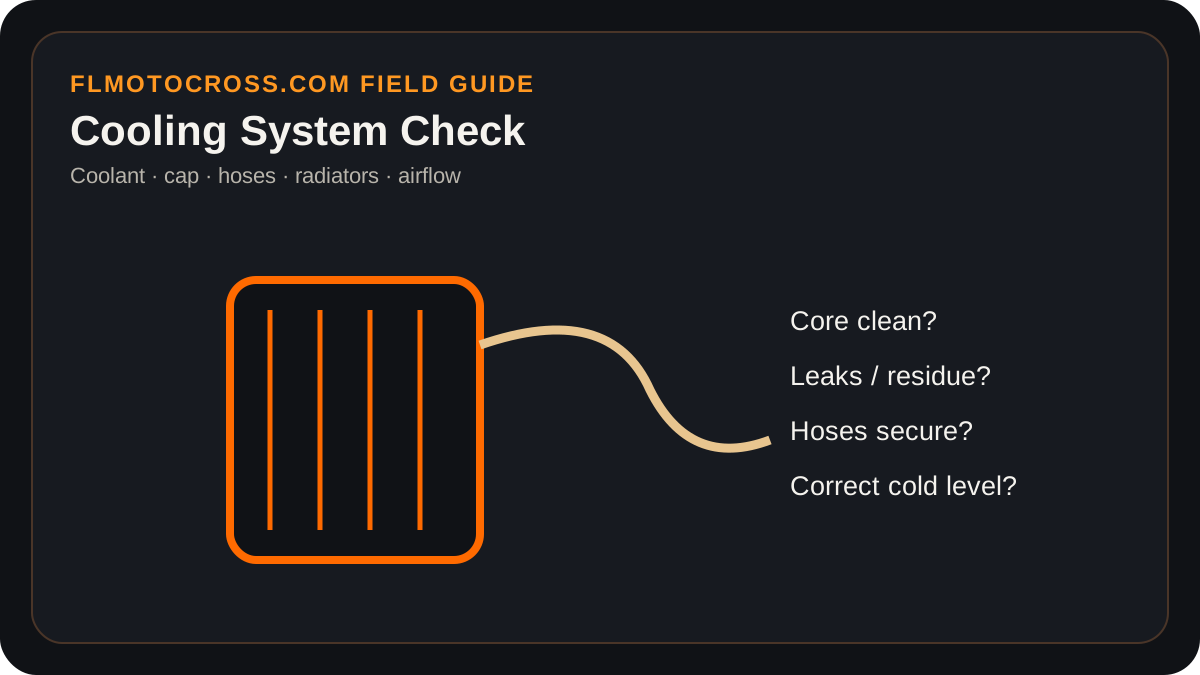
Heat exposes marginal cooling systems
A motorcycle that runs normally in cool weather can struggle in Florida summer heat, especially during slow staging, first-lap congestion, deep sand or technical practice where airflow is low. High ambient temperature reduces the temperature difference available to reject heat, while deep sand and repeated acceleration can increase engine load. That does not mean every hot bike needs an aftermarket fan or radiator; it means the stock system must be healthy before modifications are considered.
Know what “normal” looks like for your motorcycle. Some bikes vent small amounts under extreme conditions; others provide temperature warnings or fan operation. A sudden change from the bike’s usual behavior deserves inspection rather than assuming Florida weather explains everything.
Inspect cold before opening anything
Never remove a pressurized radiator cap from a hot cooling system. Perform level checks only using the motorcycle’s safe cold-check procedure. Inspect radiators for bent fins severe enough to block airflow, packed mud or grass, crash damage, leaks at seams, hose condition and clamps. Check overflow routing and any recovery tank if fitted.
Look for white or colored residue around hose joints, the water-pump area, cap neck and radiator seams. A small dried trail can identify a leak that evaporates when hot. If coolant is disappearing without an external leak, further engine diagnosis may be needed.
Coolant choice and concentration are not guesswork
Use coolant compatible with the motorcycle and materials in the system, mixed or pre-mixed as specified by the manufacturer. Do not assume straight water is appropriate simply because it transfers heat well; corrosion protection, boiling point, freezing protection and event rules all matter. Some racing organizations or tracks restrict glycol-based coolants because spills are slippery, so check the event rule before changing fluid.
If the system was drained, bleed air using the model-specific procedure. Trapped air can reduce circulation and create localized hot spots. Re-check level after the first complete heat cycle once the bike is cool.
Airflow can be a maintenance problem
Clean radiator fins with care. High-pressure spray close to the core can fold fins and make airflow worse. Remove mud from the direction that helps push debris back out rather than deeper through the core. Straighten only minor fin damage with appropriate care; puncturing a tube while chasing cosmetic perfection is a poor trade.
Radiator braces and guards can protect against crash damage but may change how debris collects. Inspect behind them. If an electric fan is fitted, confirm it actually runs under the intended trigger condition and that wiring, relay and fuse are secure.
Respond to overheating by finding the cause
If the bike repeatedly boils over, stop treating coolant top-offs as the repair. Check operating conditions, system pressure integrity, cap condition, coolant level, circulation, jetting/fueling where relevant, ignition/tune changes and internal engine issues using model-appropriate diagnostics. A problem that appears only after a modification can be an important clue.
For a hot Florida practice day, the rider can also reduce risk by avoiding long unnecessary idling and allowing adequate recovery time between sessions. Mechanical cooling margin and rider heat stress often deteriorate together, so a shorter session can be the smart decision for both.
Track-specific rules always win
Use this guide as preparation, then follow the riders’ meeting, posted rules and staff instructions at the facility you visit. Conditions and operating procedures vary by track and event.
Related rider guides
A repeatable garage and pit inspection that catches common mechanical problems before they become on-track problems.
Why Florida riding makes air-filter preparation one of the highest-value maintenance habits, plus a clean workflow that avoids introducing dirt during service.
How to inspect chain slack, alignment and sprocket wear without using one generic slack number for every motorcycle.
A repeatable brake check for track-day preparation, with emphasis on function and model-specific service limits rather than generic measurements.