
Dirt Bike Pre-Ride Inspection Before a Motocross Track Day
A repeatable garage and pit inspection that catches common mechanical problems before they become on-track problems.
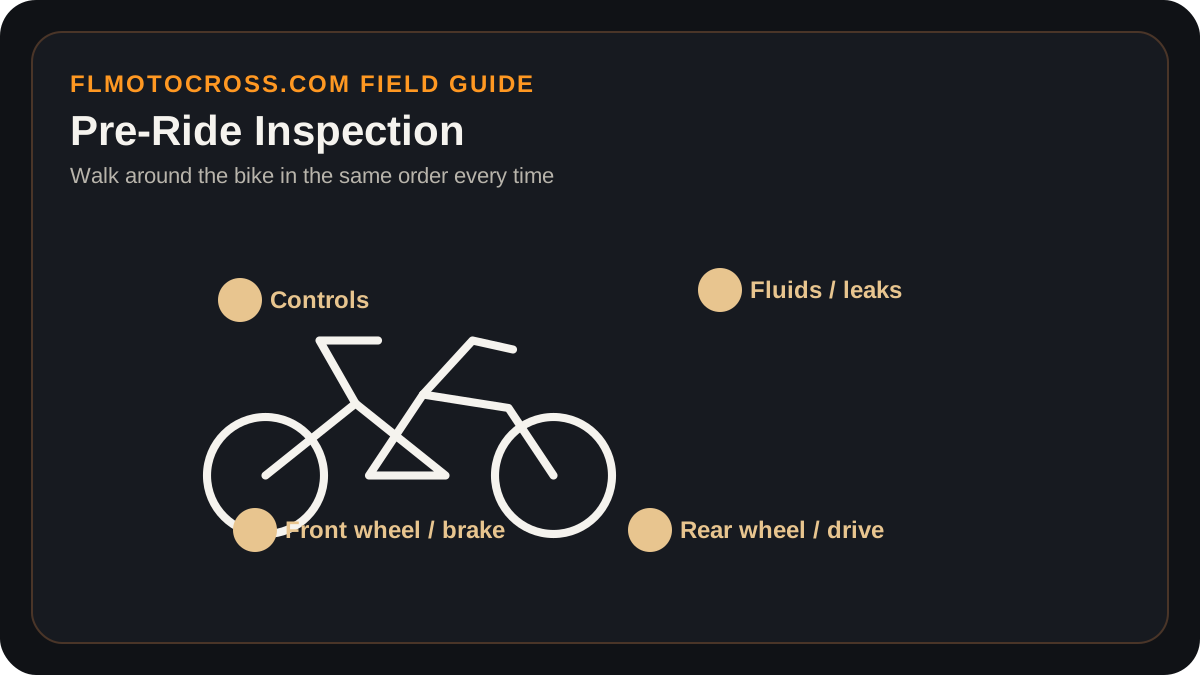
Controls
Check throttle return, clutch operation, front and rear brakes, lever/perch security and bar controls. Turn the handlebar lock-to-lock and make sure cables/hoses do not bind.
Wheels and tires
Set and record tire pressure with the gauge you normally use. Inspect tire condition, rim locks where fitted, spokes, rim damage, wheel bearings and axle/security hardware. Spin each wheel and listen/feel for abnormal drag or looseness.
Chain and drivetrain
Inspect chain slack using the motorcycle manufacturer’s procedure, sprocket teeth, chain guide/slider and master link. Too-tight chain adjustment can load the countershaft and suspension as the rear wheel moves through its arc.
Fluids, leaks and cooling
Check oil/gearbox fluid as applicable, coolant level when appropriate and the motorcycle is safe to inspect, fuel leaks, fork/shock leaks and hose condition. Do not ignore fresh fluid on a fork leg, caliper or engine case.
Fasteners and contact points
Look over footpegs, controls, subframe, exhaust, plastics and any hardware you recently serviced. The highest-risk loose bolt is often the one touched during last night’s maintenance.
After the first moto
Recheck the bike after the first session. Heat and vibration can reveal leaks, loosened hardware or chain/tire changes that were not obvious cold.
Start with controls and stopping systems
Before every ride day, verify the throttle returns freely through the full steering range, both brakes operate normally, levers/perches are secure, grips are secure and the kill switch works. Turn the bars from lock to lock while watching cables and hoses for pulling, pinching or interference.
Inspect brake pads/rotors where visible and look for fluid leaks around hydraulic components. A lever that feels different from the previous ride deserves investigation before the bike enters a motocross track.
Chassis, wheels and drivetrain
Check tire condition and pressure cold, then inspect rim locks, spokes, axle hardware and wheel bearings for anything loose or abnormal. Verify chain slack using the motorcycle manufacturer's procedure, inspect sprocket teeth, master-link security and chain guides/sliders, and look for contact marks that suggest misalignment.
Scan frame, subframe, footpegs, handlebar mounts, suspension linkage and visible fasteners. Look for fresh cracks, looseness, leaking fork/shock components and anything that changed after a crash or hard landing. A paint mark on critical fasteners can make movement easier to notice between sessions.
Fluids, cooling and air intake
Confirm fuel quantity, engine/transmission oil as applicable, coolant level when the system is cold, and inspect for leaks. Check radiator fins/hoses and make sure mud from the previous ride is not blocking airflow. Two-strokes should use the fuel/oil method specified for that setup; four-strokes should be checked using the correct oil-level procedure for the motorcycle.
Inspect the air filter and sealing surface. Florida sand makes air filtration especially important. A filter that looks clean from the outside can still have a poor seal or be improperly seated, so check installation rather than judging only by color.
Track-specific rules always win
Use this guide as preparation, then follow the riders’ meeting, posted rules and staff instructions at the facility you visit. Conditions and operating procedures vary by track and event.
Related rider guides
Why Florida riding makes air-filter preparation one of the highest-value maintenance habits, plus a clean workflow that avoids introducing dirt during service.
How to inspect chain slack, alignment and sprocket wear without using one generic slack number for every motorcycle.
Radiator, coolant, cap, hose and airflow checks that matter when high ambient temperature and slow sections reduce cooling margin.
A repeatable brake check for track-day preparation, with emphasis on function and model-specific service limits rather than generic measurements.