
Motocross Brake Inspection: Pads, Rotors, Fluid and Control Feel
A repeatable brake check for track-day preparation, with emphasis on function and model-specific service limits rather than generic measurements.
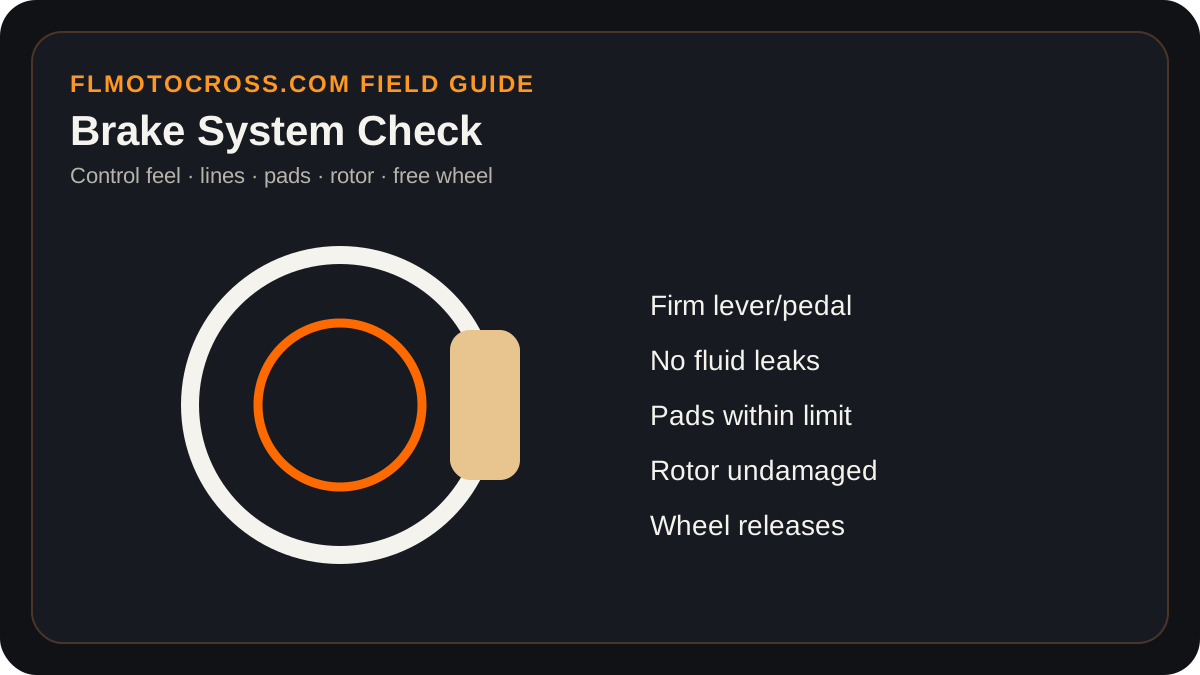
Start with lever and pedal feel
Before riding, operate the front brake lever and rear pedal while stationary. The controls should move smoothly and build firm pressure in a predictable way. A sudden increase in travel, spongy feel, sticking lever/pedal or fluid leak deserves diagnosis before the bike goes on track. Do not normalize a changing brake feel just because the pads still have visible material.
Check lever and pedal pivot condition, adjusters and return movement. Make sure handguards or bent controls do not interfere with full brake release. Verify the rear pedal has the free play or pushrod adjustment specified for the motorcycle; an over-adjusted system can hold pressure as it heats.
Pads need more than a glance
Inspect pad friction material against the motorcycle or pad manufacturer’s service limit. Uneven wear from side to side can point to caliper slide, piston, rotor or alignment problems. Contaminated pads may lose friction even when thick. If oil, fork fluid, chain lube or aggressive cleaner reaches the braking surface, correct the contamination source and follow component-maker guidance for replacement or cleaning.
Look at pad retaining pins, clips and hardware. Off-road vibration and repeated washing make missing or incorrectly installed retaining parts a serious concern. Compare both sides when possible rather than trusting memory.
Rotor condition affects feel
Inspect rotors for obvious cracks, severe grooves, impact damage, discoloration consistent with overheating and looseness at mounting points. Thickness and runout have model-specific limits, so use the service manual and proper measuring tools if a rotor is suspect. Do not attempt to straighten a badly damaged rotor at the track and then assume it is safe.
Mud and sand can accelerate wear. A gritty caliper area after a wet moto should be cleaned before the next event, but avoid pressure-washing directly into caliper seals or wheel bearings. Verify the wheel spins freely after service.
Brake fluid is a maintenance item
Brake fluid absorbs moisture over time in systems using hygroscopic fluid types. Use only the fluid specification marked for the system and avoid mixing incompatible types. Keep the reservoir, cap and tools clean during service because tiny contamination enters sensitive caliper and master-cylinder components.
If the system repeatedly develops air, loses fluid or changes feel, bleeding alone may not be the repair. Inspect for leaks, damaged lines, worn seals and heat-related issues. Brake work is safety-critical; use the service manual or a qualified technician if the procedure is outside your experience.
A quick pit check between sessions
After a rough or muddy session, look at both brake lines, calipers and rotors before going back out. Check that a rock or rut impact has not bent a rotor guard into the disc or damaged a line. Spin each wheel and apply/release the brake to confirm normal operation.
The best brake checklist is short enough to repeat. Lever/pedal feel, visible fluid leak, pad condition, rotor damage, line routing and free wheel rotation catch many problems before they become a first-corner surprise.
Track-specific rules always win
Use this guide as preparation, then follow the riders’ meeting, posted rules and staff instructions at the facility you visit. Conditions and operating procedures vary by track and event.
Related rider guides
A repeatable garage and pit inspection that catches common mechanical problems before they become on-track problems.
Why Florida riding makes air-filter preparation one of the highest-value maintenance habits, plus a clean workflow that avoids introducing dirt during service.
How to inspect chain slack, alignment and sprocket wear without using one generic slack number for every motorcycle.
Radiator, coolant, cap, hose and airflow checks that matter when high ambient temperature and slow sections reduce cooling margin.