
Motocross Whoops Basics: Rhythm, Body Position and When to Slow Down
A conservative introduction to whoop sections that focuses on repeatable rhythm before speed.
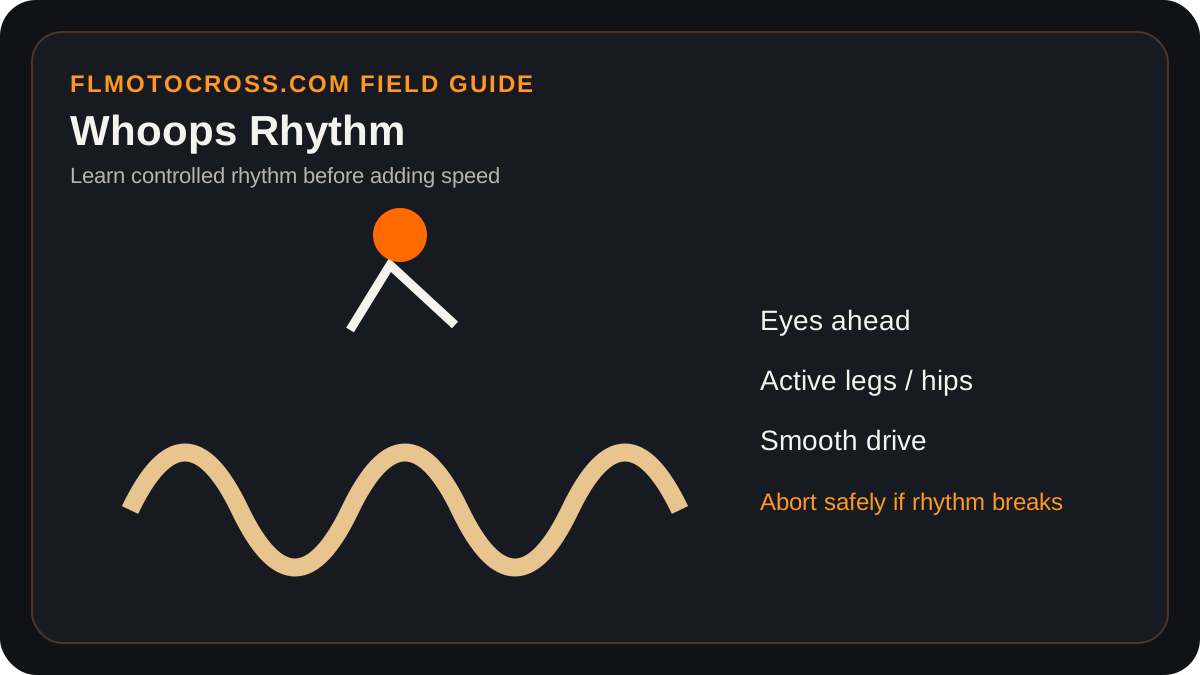
Whoops punish hesitation and excess speed alike
A whoop section is a repeating series of bumps that requires the motorcycle and rider to establish a rhythm. Enter too slowly without a plan and the wheels can fall deeply into each trough; enter too fast for your skill and a small timing error can escalate quickly. New riders should learn the section progressively and never treat a race-speed technique as the starting point.
Watch experienced riders and inspect the shape. Are the whoops uniform, cupped out, offset, sandy and collapsing, or hard with sharp faces? Technique changes with geometry and surface.
Begin with controlled wheel-by-wheel rhythm
At learning pace, ride through with balanced standing position and allow each wheel to follow the terrain. Keep throttle smooth and avoid abrupt braking in the middle of the section. The purpose is to learn spacing and how the bike reacts, not to immediately skim across the tops.
As confidence grows, a rider may begin to carry the front lighter across successive bumps, but that progression should come from coaching and repetition. There is no shame in using a slower safe technique during practice.
Keep the body active and centered
Use legs and hips to absorb movement while keeping arms relaxed enough for the front end to move. If the bike pitches forward, respond with body position and controlled throttle rather than a panic yank on the bars. If it kicks rearward, avoid locking the legs and becoming a passenger.
Look toward the end of the section. Staring at the next bump makes timing reactive. Broader vision helps the rider feel rhythm instead of making a new decision at every crest.
Setup symptoms can be useful, but technique comes first
A rear shock that packs down can make later whoops harsher; rebound that is too fast can contribute to kick. Fork and shock balance also affects pitch. But a rider changing throttle every bump or entering off-rhythm can make a good suspension setup feel terrible.
Only tune after you can reproduce the same problem at the same point. Record any change and test again without simultaneously changing entry speed, line and body position.
Know when to abort the section
If rhythm breaks badly, prioritize regaining control rather than forcing the original plan. Reduce speed smoothly when there is room, stay predictable and avoid a sudden line change into another rider. During practice, leaving a section slower is better than trying to save a technique you no longer have under control.
Fatigue changes timing. Whoops that felt manageable early can become risky late in a hot Florida session. End the session before technique degrades beyond your ability to correct it.
Track-specific rules always win
Use this guide as preparation, then follow the riders’ meeting, posted rules and staff instructions at the facility you visit. Conditions and operating procedures vary by track and event.
Related rider guides
How to make a dirt bike calmer and more predictable in Florida sand without chasing random setup changes.
A technique-focused guide to entry speed, body position, throttle and line choice when deep sand makes the front end feel vague.
A repeatable approach to deep ruts that helps riders stop fighting the groove and start using it as a line.
Technique and setup cues for repeated bumps entering corners, with emphasis on braking control and letting suspension recover.