
Motocross Protective Gear Guide: Building a Complete Track-Day Kit
A practical overview of helmet, eye protection, boots, gloves, body protection and fit decisions for dirt-bike track use.
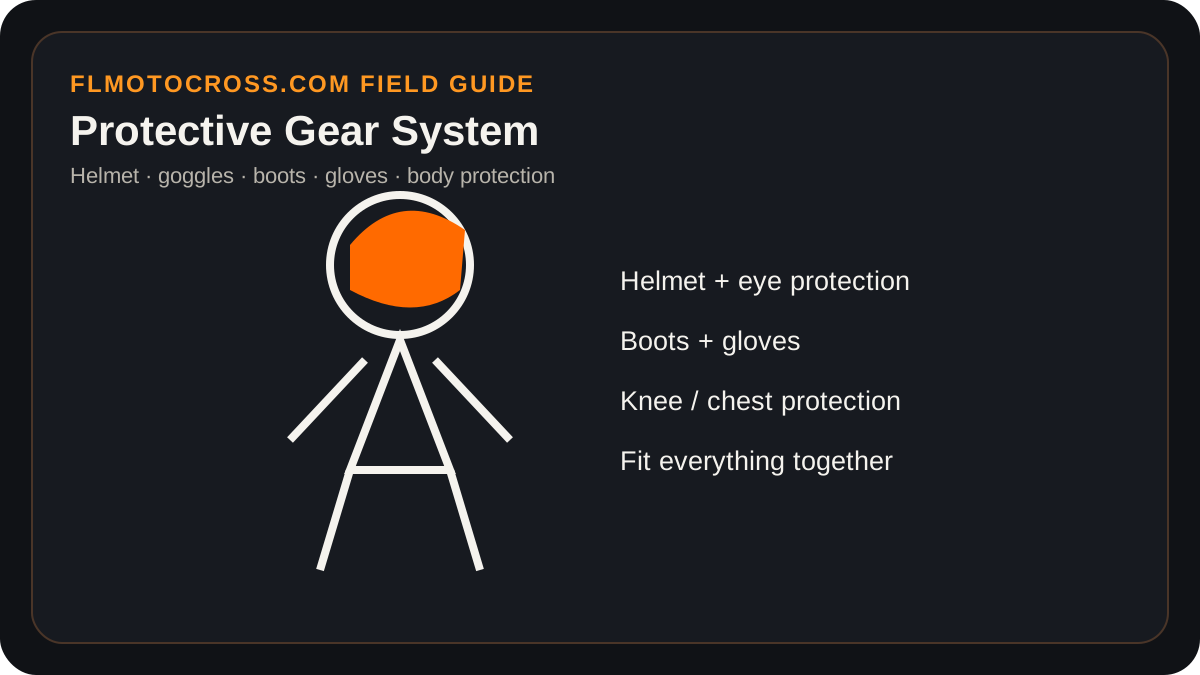
Start with the items that protect every lap
A properly fitting motorcycle helmet, eye protection, gloves, sturdy riding clothing and over-the-ankle motorcycle boots form the core of a dirt-bike kit. The Motorcycle Safety Foundation specifically emphasizes a DOT-compliant helmet, goggles or suitable eye protection, long sleeves, long pants, gloves and over-the-ankle boots for dirt-bike riding. Motocross riders commonly add knee protection, chest/back protection and other impact or abrasion protection based on their risk tolerance and event rules.
Gear only works when it fits. An oversized helmet that moves independently of the head, boots that prevent normal brake/shifter control, or knee protection that rotates out of position can create new problems. Fit each item while wearing the rest of the kit because braces, socks, pants, chest protectors and neck systems can interfere with each other.
Helmet fit deserves time, not guessing
A helmet should feel evenly snug around the head without a concentrated pressure point that becomes painful. The retention system must fasten securely, and the helmet should not roll excessively when moved by the shell. Different brands use different internal shapes, so buying only by measured circumference can still result in a poor fit. Follow the helmet manufacturer’s sizing and replacement guidance.
Do not use a visibly damaged helmet or one that has sustained an impact when the manufacturer recommends replacement. Avoid drilling shells, removing energy-management material or making improvised modifications. For youth riders, re-check fit regularly because growth can change how the helmet sits long before the outer shell looks worn.
Boots and lower-leg protection affect control
Motocross boots are not just heavier street boots. They are built to protect the foot, ankle and lower leg while still allowing shifter and rear-brake operation. A boot that is too large can make the rider hunt for controls; one that is too small can create pain and distraction. Break in new boots during controlled riding rather than discovering their limits during a race start.
Knee cups or braces should stay aligned with the knee through standing, sitting and cornering movement. If a brace system is used, follow the product maker’s fit instructions and make sure the boot/pant combination does not force it out of place. There is no benefit to expensive protection that the rider constantly adjusts while moving.
Goggles are part of vision management
Florida sand, dust, roost and mud make eye protection essential. Carry a clean spare lens or second pair of goggles when conditions are variable. Tear-offs or roll-off systems may be restricted by some facilities or events, so confirm local rules before using disposable tear-offs. Keep lens-cleaning materials separate from greasy tools and fuel equipment.
Fogging can be as dangerous as a dirty lens. Avoid blocking helmet/goggle ventilation with poorly positioned accessories. In humid conditions, start with a dry lens and change goggles before visibility becomes poor instead of trying to “ride through” a fogged view.
Build redundancy into the gear bag
Pack spare gloves, dry socks and an extra jersey for Florida heat and rain. Keep helmet and goggles protected from fuel vapor, loose tools and direct sun when parked. After the day, dry equipment fully before sealing it in a tote; damp gear left closed in a hot vehicle develops odor and material deterioration quickly.
For organized racing, review the current event rulebook in addition to general safety guidance. Sanctioning bodies can specify helmet certification, boots or other equipment. Track staff and the riders’ meeting remain the final authority for the day.
Primary references
Track-specific rules always win
Use this guide as preparation, then follow the riders’ meeting, posted rules and staff instructions at the facility you visit. Conditions and operating procedures vary by track and event.
Related rider guides
Choosing the right track, practice group and pace for a young rider’s first real motocross day.
A practical system for parents or groups managing several bikes, gear sets, practice groups and Florida heat at the same facility.
A first-time spectator guide covering parking, heat, hearing protection, safe viewing areas and understanding race-day flow.
How to evaluate helmet fit, manage goggles and sweat, store the helmet correctly and know when manufacturer guidance should replace pit opinions.